In the world of electrical installations, the choice of appropriate steel pipes is crucial for the safety and durability of the entire installation. In our many years of practice as a leader in the installation industry, we know that understanding the different types of steel pipes and their properties is the foundation of professional assembly. We offer a wide range of steel pipes and accessories that will perform well in any working conditions.
From our experience in technical consulting, it follows that the correct selection of protective material can determine the longevity of the installation for many years. Steel pipes are characterized by exceptional mechanical strength and resistance to damage, making them an indispensable solution in demanding industrial applications.
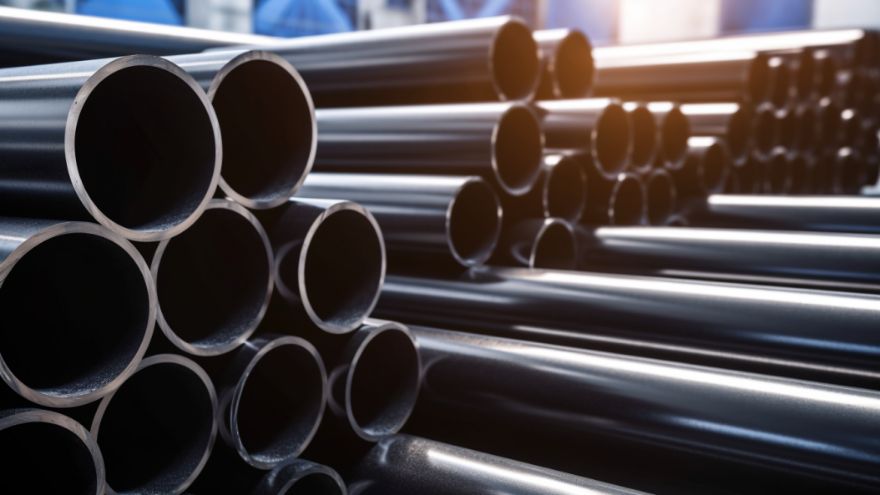
Check steel pipes and accessories at Onninen warehouse
Classification of steel pipes by production technology
As an experienced distributor of installation solutions, we offer steel pipes made in various technologies, each with the appropriate operational parameters.
Seamless steel pipes
Our offer includes seamless pipes characterized by the highest strength of all types of steel pipes. They are produced through hot rolling or cold drawing from a solid steel material. The main advantages of seamless pipes are:
- Exceptional resistance to high working pressure
- Excellent mechanical properties under dynamic loads
- Minimal risk of leaks at connection points
- High resistance to corrosive factors with appropriate surface protection
| Outer diameter | Wall thickness | Working pressure |
|---|---|---|
| 16-25 mm | 1.5-2.0 mm | up to 16 bar |
| 32-50 mm | 2.0-3.0 mm | up to 25 bar |
Welded steel pipes
Our offer also includes welded pipes, which are created by forming and welding steel strips. We distinguish two basic types of seams:
- Longitudinal seam - used in pipes with smaller diameters, provides good strength at lower production costs
- Spiral seam - used in pipes with larger diameters, characterized by uniform stress distribution
Protective coatings for steel pipes
In the process of selecting the optimal solution, we always pay attention to the type of protective coating,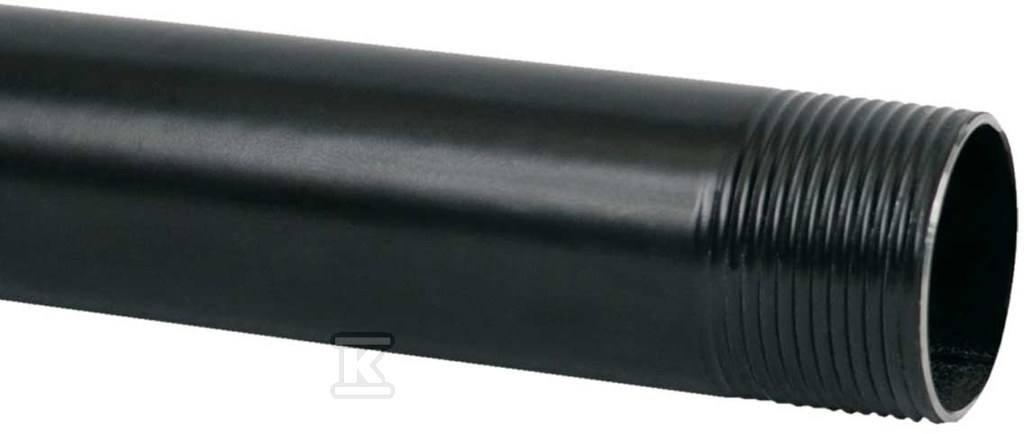 which has a key impact on the durability of the installation.
Galvanized steel pipes
We offer pipes with a zinc coating applied by hot-dip or electroplating methods. Galvanization provides:
- Long-lasting protection against atmospheric corrosion
- Resistance to moisture and changing weather conditions
- Possibility of use in environments with moderate chemical aggressiveness
Painted pipes
Our assortment also includes pipes with a paint coating, which offer:
- An additional protective barrier against corrosion
- The possibility of color selection to architectural requirements
- Ease of maintenance
Applications of different types of steel pipes
Our team of technical consultants helps in selecting the appropriate type of steel pipe for specific applications.
Industrial installations
In industrial environments, we recommend galvanized seamless pipes due to:
- High resistance to impacts and mechanical loads
- Ability to operate over a wide temperature range (-20°C to +80°C)
- Resistance to vibrations and machine oscillations
- Compliance with industrial standards
Residential construction
For installations in residential buildings, we recommend painted welded pipes from our offer, which are characterized by:
- Optimal price-to-quality ratio
- Aesthetic appearance in surface-mounted installations
- Ease of installation using standard tools
Public utility buildings
In schools, hospitals, and office buildings, we use steel pipes with double protection - galvanized and painted, ensuring:
- Maximum durability of the installation
- User safety
- Minimal maintenance requirements
Differences between steel and aluminum pipes
We often encounter questions about the differences between steel and aluminum electrical installation pipes. Based on our experience, we present the key differences:
| Property | Steel pipes | Aluminum pipes |
|---|---|---|
| Mechanical strength | Very high | Average |
| Weight | High | Low |
| Corrosion resistance | Good (with coating) | Very good |
| Ease of installation | Average | High |
| Price | Average | Higher |
In our technical consulting, we recommend steel pipes where maximum mechanical strength is a priority, while aluminum pipes perform excellently in installations requiring frequent modifications.
Technical parameters and standardization
All steel pipes in our offer meet the requirements of European and national standards. We offer products with certificates:
- PN-EN 61386 - standard for electrical installation pipes
- IP54-IP68 - various protection classes depending on the application
- Operating temperature - from -45°C to +250°C
- UV resistance - for outdoor installations
In our warehouses, standard diameters are available: 16mm, 20mm, 25mm, 32mm, 40mm, 50mm in 3-meter lengths, as well as installation accessories: fittings, elbows, brackets, and ends.
Frequently asked questions
What are the main types of electrical installation steel pipes?
Steel pipes are divided into seamless and welded, differing in production technology and strength parameters. Seamless pipes are characterized by the highest mechanical strength, while welded pipes offer a better price-to-quality ratio. Both types with various protective coatings are available in our offer.
When to use steel pipes instead of aluminum?
We recommend steel pipes in applications requiring high mechanical strength and resistance to damage. They are ideal in industry, outdoor installations, and anywhere cables are exposed to impacts or dynamic loads. Aluminum is chosen when low weight and ease of installation are priorities.
What protective coatings are available for steel pipes?
We offer steel pipes with hot-dip galvanization, electroplating, and additional paint coatings. Galvanization provides basic protection against corrosion, while painting adds an additional barrier and the possibility of color matching. For special applications, stainless steel pipes are available.
What temperature range can steel pipes withstand?
Standard steel pipes from our offer operate in the range of -45°C to +250°C. The operating temperature may vary depending on the type of protective coating and the manufacturer's specifications. For applications in extreme temperatures, we offer stainless steel pipes with an extended operating range.
What diameters of steel pipes are most commonly used?
In electrical installations, we most often use pipes with diameters of 16mm, 20mm, 25mm, and 32mm. The choice of diameter depends on the number and cross-section of wires and installation requirements. Smaller diameters (16-20mm) are for lighting and socket installations, while larger ones (25-50mm) are for main power supplies and distribution boards.
Can steel pipes be bent on-site?
Yes, most steel pipes can be bent cold using appropriate tools and techniques. We recommend using professional pipe benders to avoid cross-section deformation. For complicated routing, we offer ready-made elbows and bends at various angles, which speeds up installation and guarantees the quality of connections.
Investing in the reliability of installations
The choice of appropriate steel pipes and accessories is an investment in the long-lasting and trouble-free operation of electrical installations. Our team of experts offers comprehensive technical support - from product selection through installation projects to installation advice.
At Onninen, we ensure the constant availability of products in our branches throughout Poland and professional technical consulting at every stage of project implementation. Our specialists will help you choose optimal solutions tailored to the specifics of a particular installation, ensuring the highest quality and reliability for years to come.
We invite you to take advantage of our full offer of electrical installation pipes and comprehensive technical support. Together, we will create installations that will serve reliably in all operating conditions.