In waste management facilities, water and sewage installations are exposed to exceptionally difficult conditions. They often transport wastewater containing chemical substances, large amounts of suspended solids, or decomposition products. The aggressive working environment significantly increases the risk of corrosion and threats to the safety and continuity of the entire system's operation. How to design, execute, and maintain water and sewage installations in waste management facilities to ensure they are reliable, durable, and efficient? Here is a practical guide.
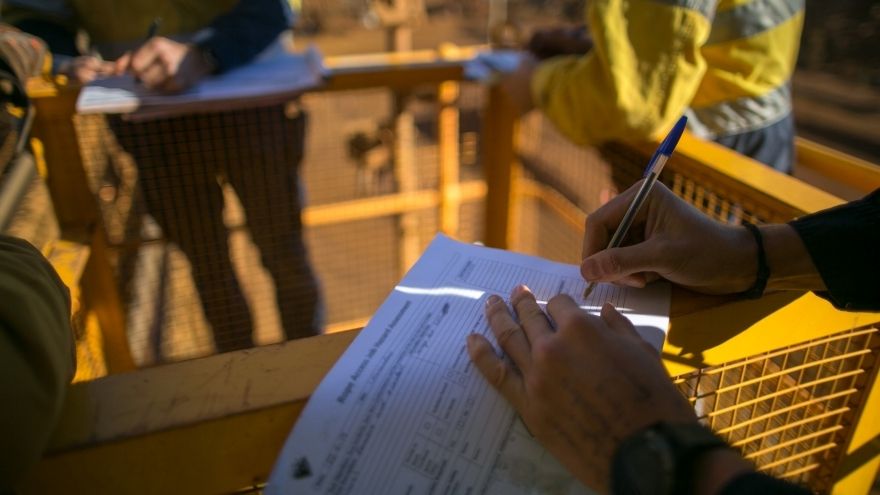
Check water and sewage networks at the Onninen warehouse
First - understanding the aggressive environment
Wastewater is used liquids, solutions, colloids, suspensions, or solid waste discharged through pipelines to appropriate receivers. In waste management facilities, they do not resemble clean stormwater or standard domestic sewage, which arises from human hygiene and household activities. They often contain highly aggressive chemical substances, products of biochemical decomposition of organic matter, chlorides, sulfates, or oxidizing substances. Such wastewater is destructive to some materials from which water and sewage installations are made.
Second - appropriate selection of materials
Water and sewage installations in such demanding and specific environments must be made of materials resistant to the substances contained in the transported media. Standard steel pipes may not guarantee sufficient resistance. Therefore, systems that come into contact with aggressive wastewater often rely on components made of stainless steel, resistant to corrosive processes. Additionally, modern plastics, such as PVC-U (unplasticized polyvinyl chloride), PP (polypropylene), PE-HD (high-density polyethylene), or PVDF (polyvinylidene fluoride), are characterized by extreme chemical, mechanical, and thermal resistance. The selection of materials, carried out at the design stage of the installation, should take into account both the composition of the wastewater and the hydrodynamic conditions at the investment site. In areas where very aggressive media flow, separate routes made of chemically resistant materials are usually conducted.
Third - design tailored to conditions
Designing a water and sewage installation for waste management facilities requires a special approach. The installation should be conducted from so-called clean rooms towards dirty ones to prevent the transfer of contaminants through the sewage system. Additionally, all sewage inlets should be equipped with siphons to reduce the risk of wastewater backflow and the release of unpleasant odors from the sewage system. In such facilities, various solid bodies often accumulate on the floors, so drainage grates are necessary to ensure the settling of residues. This prevents larger contaminants from entering the sewage system, which could lead to blockages. For free flow, slopes of 1-2% should be used.
If wastewater containing fats enters the sewage system, grease separators are needed to capture them. Furthermore, before discharging into the environment or further treating industrial wastewater, it should undergo a neutralization process. This type of treatment allows for bringing the pH of both acidic and alkaline wastewater to a neutral value (approx. 7). Neutralization is important because extreme pH values of wastewater can cause corrosion of installation components and negatively affect the aquatic environment.
Fourth - safety and compliance with regulations
The design of the water and sewage installation in a waste management facility should take into account the regulations and requirements of Polish standards (e.g., PN-92/B-01707: Sewage installations). It is essential to ensure regular inspections and maintenance of the installation, which will help detect potential problems before they lead to serious failures, as well as extend the lifespan and maintain the full efficiency of the system. Automatic monitoring systems are becoming standard, allowing for continuous control of key parameters such as pH level, presence of H₂S, temperature, or salt concentration.
We invite professionals designing, executing, and servicing water, heating, and gas installations in public utility facilities to familiarize themselves with the offer of the Onninen warehouse. Our assortment includes, among others, separators and sedimentation tanks and anti-contamination valves. We provide professional advice.