Electric heating is one of the solutions used to achieve optimal thermal comfort. It is one of the more convenient solutions, but its use can generate higher electricity costs. How to optimally use electric heating?
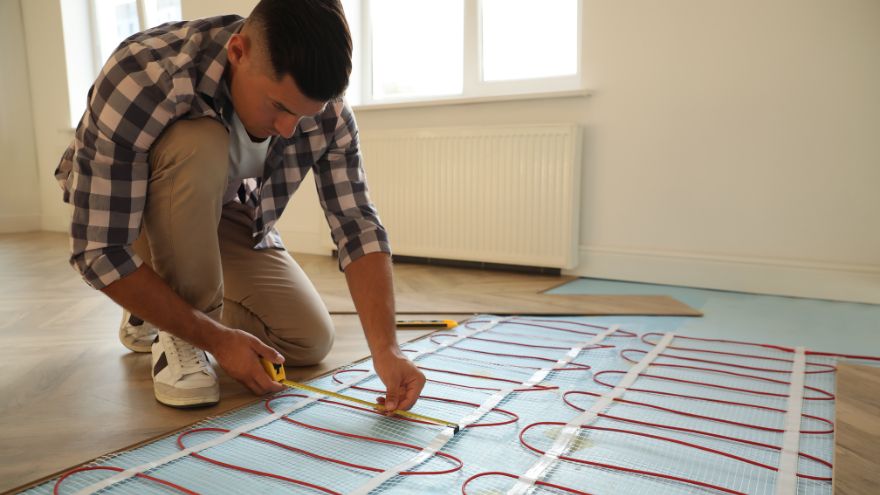
Check out the underfloor heating at the Onninen wholesaler
Electricity bills and electric radiator heating
The efficiency of electric radiator heating and the amount of bills are closely related. Properly selected heating system components allow you to optimize the efficiency of operation.
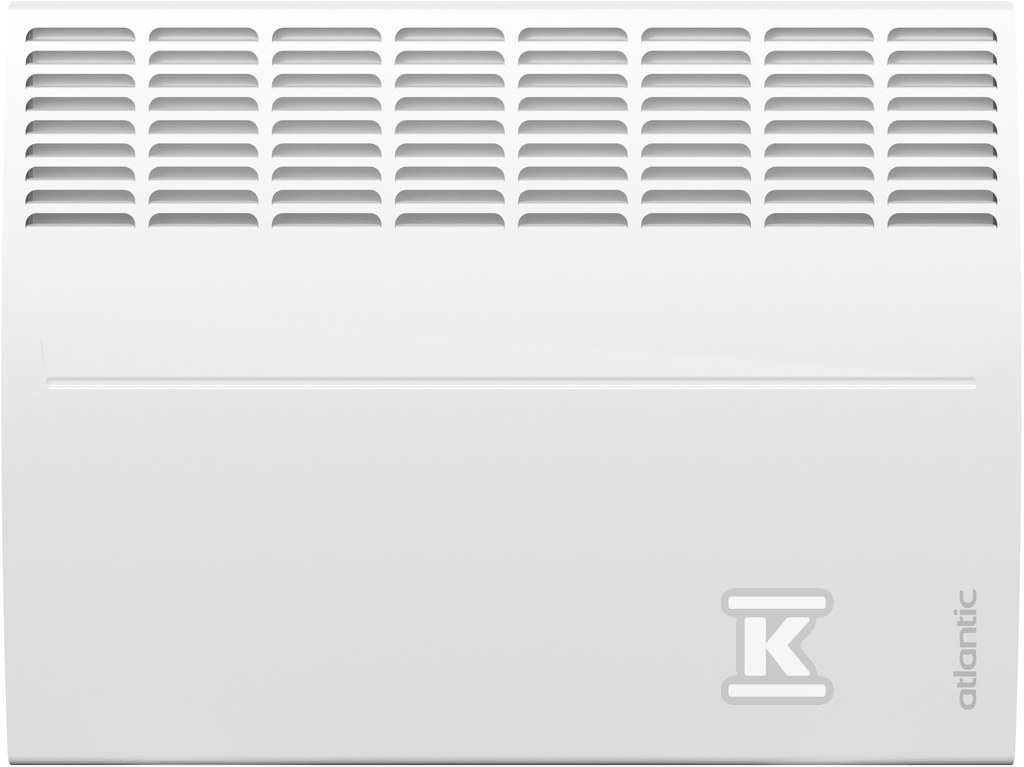 Using electric heating is a good solution, but only in houses that are properly prepared. Electric heaters should be installed in buildings with good thermal insulation. Eliminating weak points and thermal bridges prevents heat from escaping to the outside. With poorly made insulation or no insulation at all, the consumption of electricity needed to maintain an optimal temperature inside increases.
The amount of bills also depends on the tariff. When deciding to heat with electricity, it is worth getting to know the supplier's offer and the applicable rates. A good solution may be, for example, an offer in which energy prices are lower at night.
Factors that affect the increase in bills also include the size of the surface to be heated. Large rooms or open spaces require more energy, which can generate higher costs. A good solution is to choose modern solutions. If the electric heater is equipped with a thermostat and timer, it will work more effectively and efficiently.
How much does electric floor heating cost?
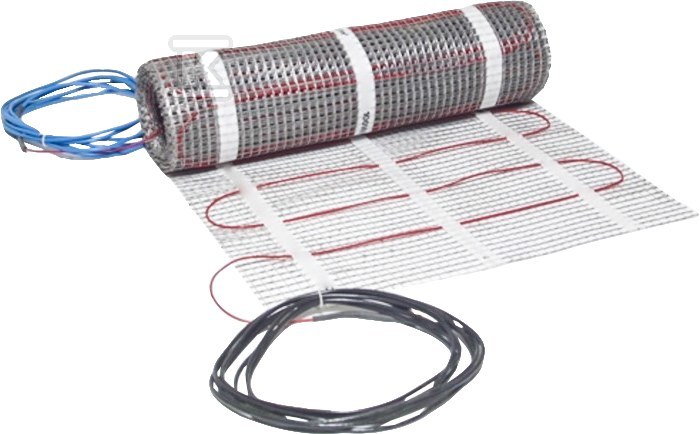 The amount of electricity bills depends on many factors, including the amount of electricity charges or the elements that were used to prepare the system. Classic radiators are not the only option. Underfloor heating is very popular - it is functional and practical. The cost of installing an electric heating system is an investment, but due to the specificity of the system, it is good to choose elements with appropriate certificates and a guarantee.
Electricity bills in buildings with underfloor electric heating can be reduced by selecting the power of the heating system, adapted to the needs of the building. An important issue is properly planned and executed thermal insulation of the floor, but also of the external walls and roof. This can reduce heat losses and improve heating efficiency.
Modern heating systems use thermostats that allow for temperature control and programming. This allows you to reduce the temperature when no one is home and increase it before the household members return. A big advantage is the ability to program zones inside the house, e.g. in the bedroom, setting a lower temperature than in the living room.
Savings and heating with storage heaters
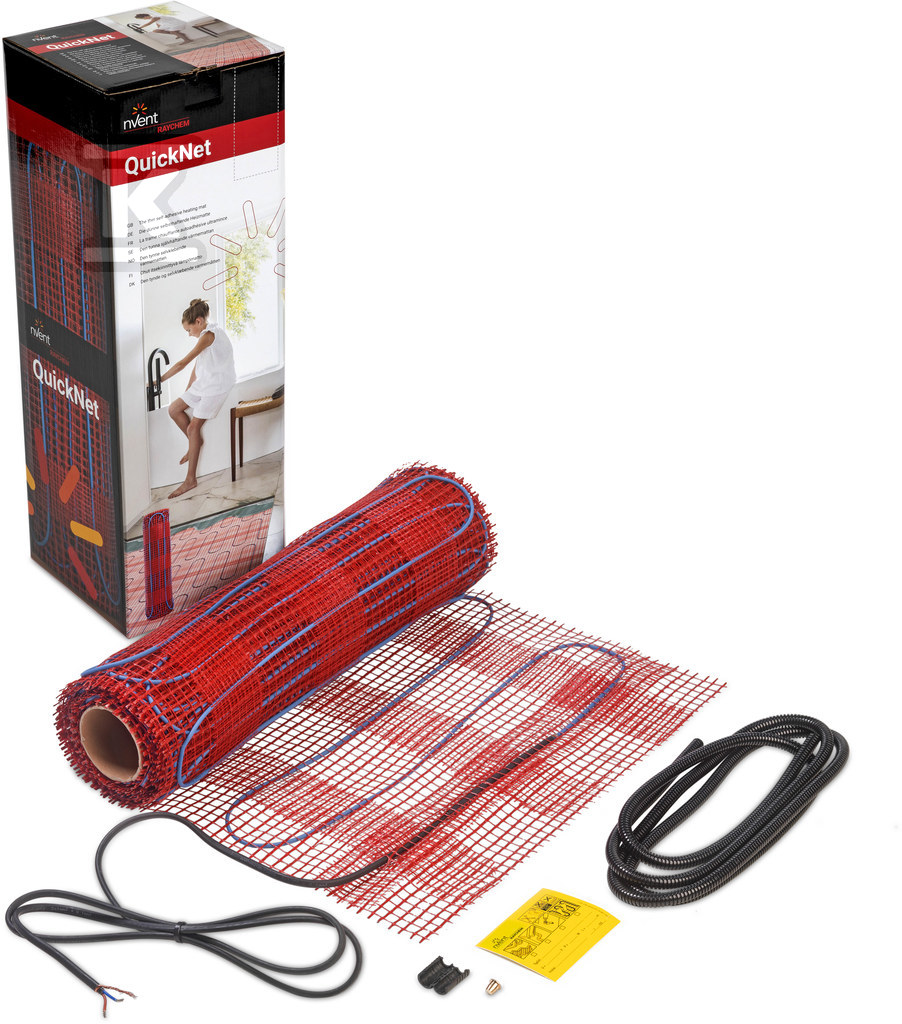 Storage heaters are also used to heat a building. Boilers and heaters that run on electricity can provide thermal comfort, but this is associated with an increase in electricity bills. In practice, there are two types of heaters — static and dynamic.
The first ones are cheaper, but the possibility of precise control is smaller than in the case of dynamic models. Static furnaces use the phenomenon of air convection for heating. Choosing a dynamic furnace is associated with higher initial costs, but during the period of use they are more convenient and more precise.
With a storage furnace, you can reduce your bills, for example by choosing the appropriate G12 energy tariff. The offer includes lower electricity charges at night. When the furnace is charged at night, the stored energy will effectively heat the building during the day.
In order to reduce the costs of heating with a storage heater, it is necessary to ensure that the building is well insulated. This allows you to easily retain heat inside, reducing energy demand. It should not be forgotten that the heaters should be regularly serviced, because only a good technical condition of the device will allow for efficient and effective use.