Ensuring thermal comfort and energy efficiency is a priority when designing modern heating installations. A key element of the system that provides precise regulation and optimization of operation is the mixing valve. In the category of mixing valves, solutions from the Swedish brand ESBE stand out – one of the European leaders in heating, cooling, and domestic hot water systems. We explain how to properly adjust the ESBE mixing valve to achieve ideal comfort and lower costs.
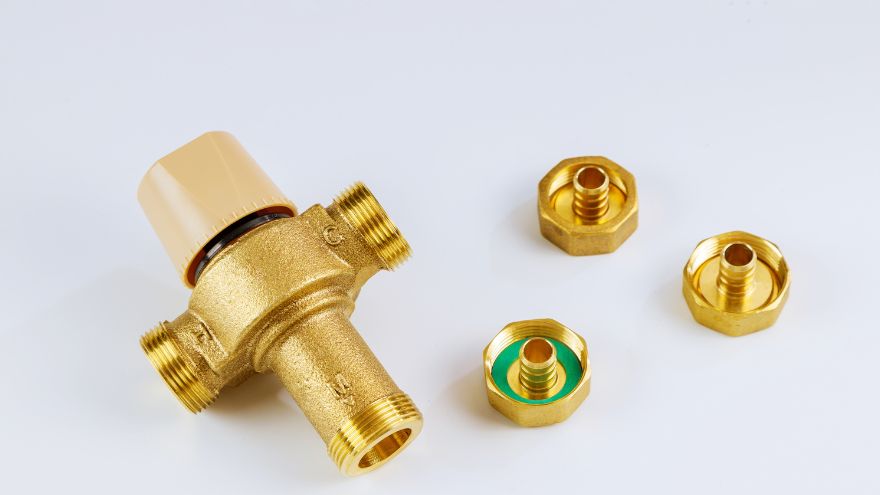
Check 3-way temperature mixing valves at Onninen wholesaler
Thermal comfort – what does it really mean?
Thermal comfort is a subjective feeling of pleasant temperature in rooms. Therefore, it is difficult to define one universal ideal temperature for everyone. However, regardless of individual preferences, it is recommended that the temperature in the living room is around 21°C, in the bedroom around 18–19°C, and in the bathroom around 22–24°C. To always feel comfortable warmth – without the need to constantly adjust settings on the boiler or other heating device, it is worth automating installations.
ESBE Components
The ESBE brand offers various innovative solutions in the field of automation, such as controllers with 3 or 4-way mixing valves. The mixing valve regulates the temperature of the water supplying the installation, mixing hot water with the cooler return water and adjusting its parameters to the system's requirements. Thanks to automation, the installation can operate practically maintenance-free and achieve optimal parameters, which translates into both thermal comfort and savings.
Selection of optimizing solutions depending on the type of installation
The key criterion for selecting a mixing valve is the Kvs value. This parameter defines the amount of water flowing through the valve in 1 hour at a pressure drop of 1 bar. This mainly affects its controllability and smooth operation.
Underfloor heating is a low-temperature system, supplied with water at a temperature of about 35°C. It works well with mixing valves from the VRG131 series (Kvs 4, 6.3, or 10) and with constant temperature controllers (e.g., CRA211) or weather controllers (CRC211). The decisive factor for selecting the valve is the area to be heated.
| Area | Recommended VRG131 valve |
|---|---|
| 80–140 m² | Kvs 4, Rp ¾ |
| 125–230 m² | Kvs 6.3, Rp 1 |
| 200–350 m² | Kvs 10, Rp 1 |
Calculated for: ΔP valve: 3-10 kPa, 50W / m² and ΔT=5K, Rp – internal thread
On the other hand, radiator installations require significantly higher temperatures – from 50 to 70 °C. Additionally, they must react quickly to fluctuations in internal and external temperatures. The selection of Kvs is based on the system's power. The mixing valve will work best with the CRB221 or CRD221 controller.
| System power | Recommended VRG131 valve |
|---|---|
| 12–21 kW | Kvs 4, Rp ¾ |
| 19–35 kW | Kvs 6.3, Rp ¾ |
| 30–55 kW | Kvs 10, Rp 1 |
Calculated for: ΔP valve: 3-10 kPa and ΔT=15K, Rp – internal thread
In installations supplying both underfloor heating and radiator heating, ESBE pump groups from the GRC221 series, equipped with actuators with weather controllers, work excellently. In combination with a progressive valve installed in the pump group, this solution allows for precise regulation and increases energy efficiency.
Adjustment of the ESBE mixing valve
ESBE products, such as the thermostatic mixing valve series VTA322, are equipped with effective regulation mechanisms that allow for achieving and maintaining the desired temperature without the need for electrical power (the valve operates on the principle of thermal expansion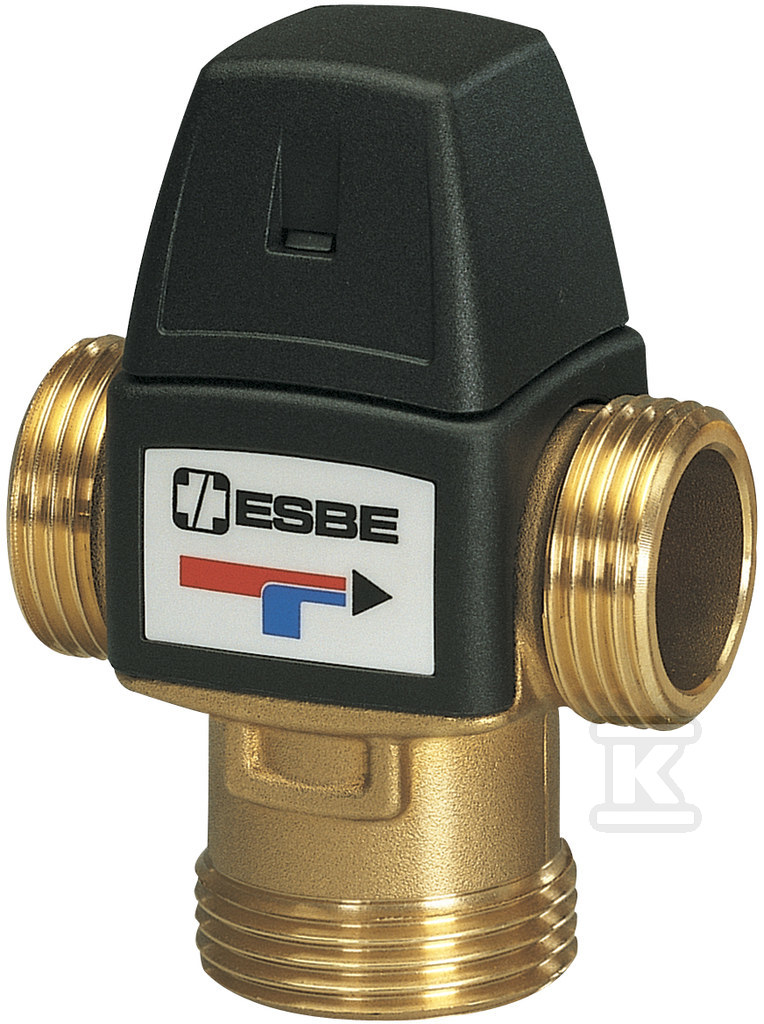 thermostat). Then, for several days, the temperature should be monitored. If the adjustment does not bring the expected comfort or savings, corrections must be made or contact a specialist/technical department of ESBE.
Proper regulation of D.H.W - guarantee of comfort, savings, and safety
In domestic hot water (D.H.W) installations, maintaining the appropriate temperature is very important. Too low a temperature can promote the growth of bacteria, while too high a temperature can lead to burns and increased energy consumption. The VTR300 circulation sets provide immediate access to hot water, protect users from burns, and are easy to install. We recommend the VRG132 valve (Kvs 4-40) and connecting it with the CRS211 controller equipped with a submerged temperature sensor.
How to avoid overheating water?
Overheating water is detrimental both to health and to the wallet. ESBE offers 3-way thermostatic mixing valves from the VTA320/520 series, which are key to precise regulation of the D.H.W temperature delivered to the taps. The thermostatic mixing valve:
- provides protection against burns,
- enables quick response to changes in water temperature and pressure,
- prevents overheating – the water temperature matches actual needs, generating real savings.