Fire safety in residential and public buildings is a paramount issue that determines the health and life of people inside. What is a fire damper for and how does it work, and when should it be used?
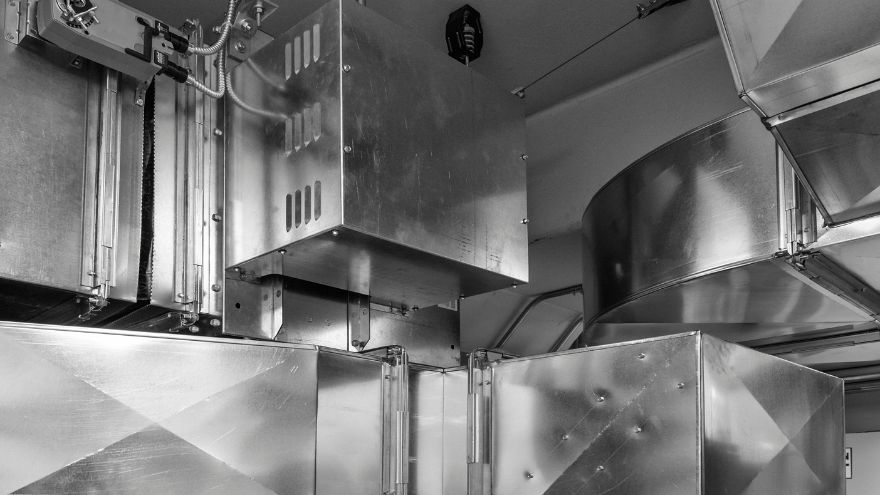
Check out the fire dampers at the Onninen wholesaler
How does a fire damper work?
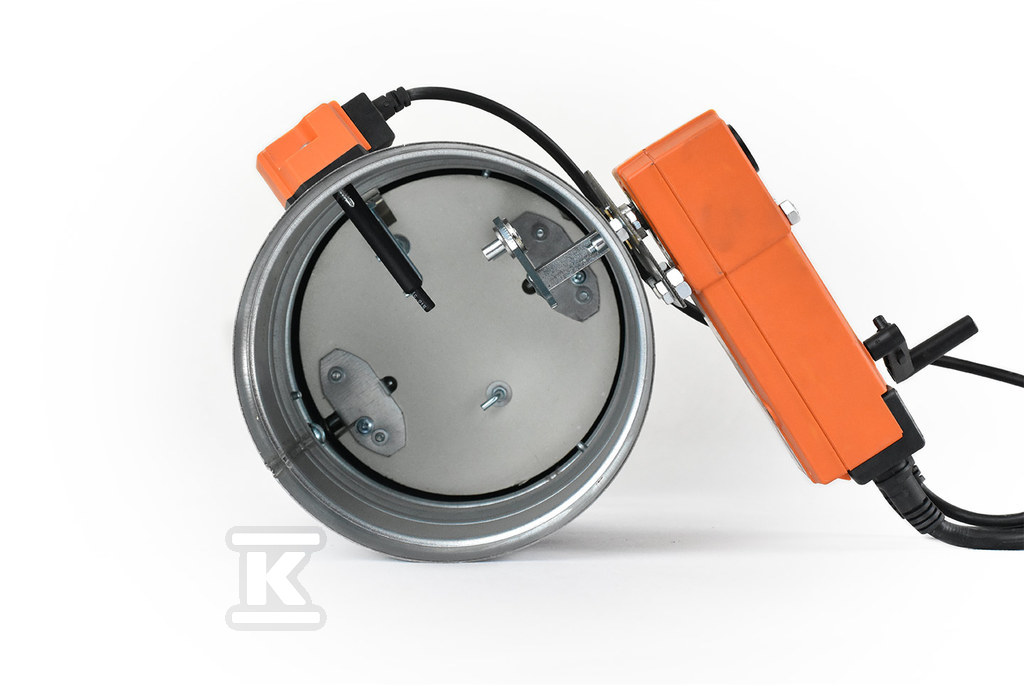 Fire is a condition that directly threatens human health and life, and can also completely destroy property. The lack of proper safeguards would cause fire to spread exceptionally quickly. One of the elements that are supposed to protect against such a situation are fire dampers. A fire damper is a special partition that cuts off the fire zone, allowing to stop the spread of fire, smoke and toxic gases generated during a fire, which could penetrate to other parts of the facility through air conditioning or ventilation ducts.
In everyday life, the protection remains open, but in a dangerous situation, the flap automatically closes, increasing safety in other areas. These elements should be located in the general ventilation system, as well as in places where it passes through ceilings and walls.
When should fire dampers be used?
The installation of fire dampers, in accordance with the Regulation of the Minister of Infrastructure of 12 April 2002 on the technical requirements to be met by buildings and their location, is mandatory in buildings other than single-family houses.
Fire dampers are solutions with a special design. The housings are made of metal, most often stainless steel or galvanized sheet metal is used. Important elements include the control system and the cut-off partition. The latter must be made of high-quality fireproof material. Depending on the damper variant, the cut-off mechanism is activated in the temperature range of 45–250°C, but usually this temperature is 70°C. If the temperature in the ventilation duct rises above the set temperature, the damper will close before the signal from the fire alarm control unit appears.
Currently, different variants of fire dampers are used. Considering the variant of the drive used as a criterion, the following are distinguished:
- flaps with thermal fuse or ampoule trigger;
- automated flaps, with electric drive;
- flaps with electromagnetic trigger mechanism;
- rectangular flaps with a single-plane shut-off partition;
- multi-plane flaps;
- round cross-section flaps;
- fire ventilation cut-off flaps, also known as smoke extraction flaps.
In accordance with applicable regulations, fire dampers should be periodically inspected to ensure that they function properly in hazardous situations.
Fire dampers at the Onninen wholesaler
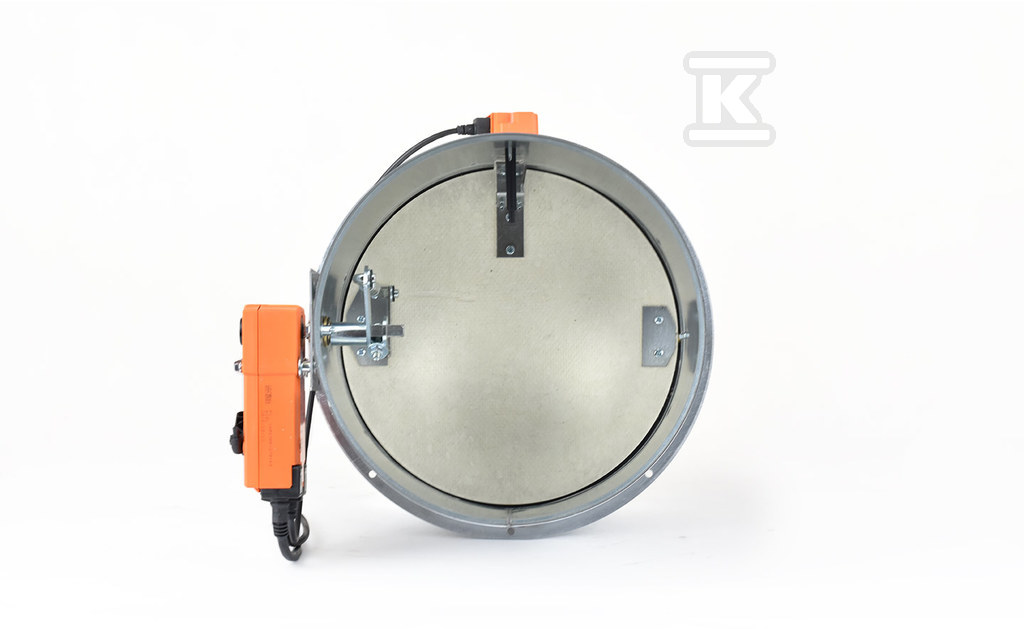 The use of a fire damper can significantly improve safety in a facility. At the Onninen hydraulic wholesaler we have a wide range of dampers that are characterized by a high fire resistance class. The dampers are classified depending on the mechanism responsible for its closure. One of them is the Smay KTM fire damper with a spring mechanism .
An alternative solution are Smay KTM fire dampers with an actuator . The shut-off damper remains in the open position on a daily basis, and when a threat appears, it moves to the closed position, effectively cutting off. The model is characterized by a high level of smoke, temperature, and fire tightness, which prevents the spread of the threat. The fire resistance of the shut-off partition is high, and the model is prepared in accordance with applicable standards.