A washing machine is a basic appliance in every home. In order to properly drain used water, it needs a siphon. It is of great importance, which is why we will discuss it comprehensively in the following article. We encourage you to stay with us!
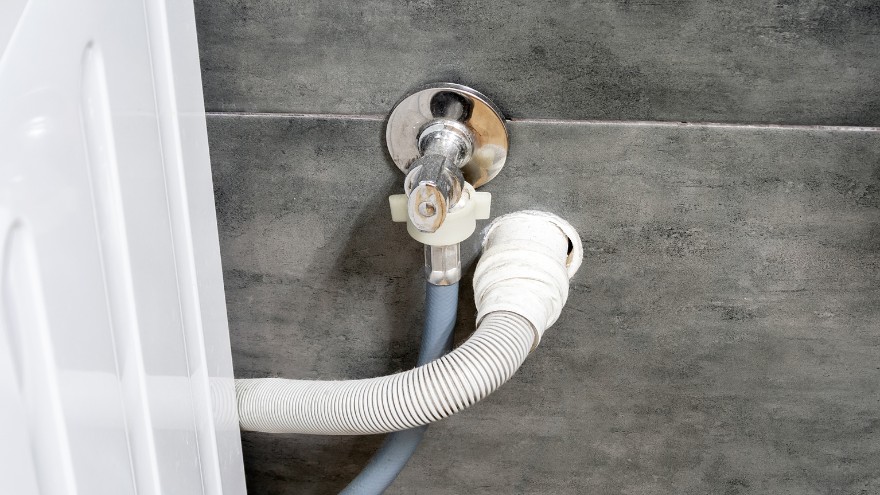
Check out the washing machine siphons at the Onninen wholesaler
How to choose the right siphon for your washing machine?
In order for the siphon to be properly matched to the washing machine, it is worth learning what is most important, getting to know the specifics of the siphon and its correct installation. The drain siphon is an absolutely key component of the hydraulic system in devices such as washing machines, but not only that, because it is also mandatory in other common household appliances, such as dishwashers, dryers or fittings, such as sinks. Regardless of where it is located, its purpose is the same - to drain water to the sewage system. At the same time, it prevents the backflow of contaminants, causing unpleasant odors. As you can see, siphons play a significant role, making the operation of washing machines both effective and fully hygienic and safe.
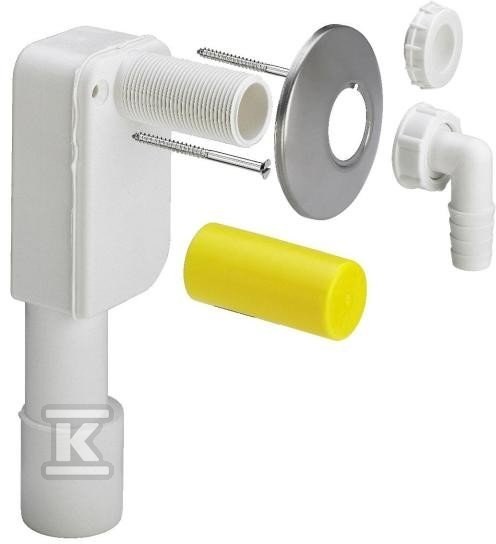 To choose the right siphon for a washing machine , we should know what types there are. We distinguish between a concealed siphon and a surface-mounted siphon. Choosing the right siphon is of great importance here. The first type of siphon mentioned - concealed - is mounted in the wall, thanks to which you can not only save space, but also aesthetically hide the installations. A surface-mounted washing machine siphon, on the other hand, is mounted outside the wall, which provides easy access to it, which is important if it needs to be repaired or cleaned.
To choose the right siphon, we must take into account our own individual preferences, as well as the technical capabilities of the room in which we intend to connect it to the washing machine drain. Let's also remember to choose a solid siphon, made of good material, so that it does not get damaged, because then there is a risk of flooding the bathroom. Its proper installation is equally important, so that water does not leak out of it. And it is in the next paragraph that we will look at this issue.
How to properly connect a washing machine to a siphon?
The installation of a siphon begins with what we discussed in the previous paragraph - choosing the right siphon. As we already know, we can choose a concealed or surface-mounted model. As for the material, there are classic plastic models or more elegant ones, such as chrome. Regardless of what you choose, the most important thing is a decent quality siphon.
 Once you have chosen the siphon, you can start the task. First, you need to connect the drain hose to the back of the washing machine. Before you do that, unplug the washing machine. Now you can attach the end of the hose to the device, which requires a clamp, which will ensure complete tightness. If you take care of this, you won't have to worry about water leaking out of the system.
It is very important that the drain hose, which is used to drain the used water, has the shape of the letter “U”. Therefore, it should be placed in the plastic latches mounted on the back of the device. This will create the right shape, the so-called natural siphon, thanks to which water will remain in it, creating a barrier through which unpleasant odours have no chance to get into the washing machine. The influence of used water is therefore completely limited.
The last step is to mount a surface-mounted or concealed siphon in the wall and connect the drain hose to it. The height of the drain should be approx. 40-90 cm from the floor. The last step is to turn on the water supply.
Is a washing machine siphon really necessary?
Sometimes doubts like the above question arise, so it is worth dispelling these assumptions by answering whether a siphon is necessary here, or can you do without it? We can say that theoretically yes, but in practice it causes great complications and specialists do not recommend such practices. It may work for a while, but in the long run it is not a good option. However, if we want to try, we should remember that the key here is to ensure maximum tightness at the junction of the drain pipe with the sewage system. Despite everything - it is not worth it. It is much better to bet on a good quality siphon. And we will mention such in the next paragraph!
Washing machine siphons at the Onninen wholesaler
We have learned about the most important issues related to washing machine siphons, so now it's time to propose a few interesting solutions.
-
 We start with the Viega washing machine siphon in the wall 1x40 / 50 452452 designed for installation in the wall. It fits just as well with other appliances, such as a dishwasher. Made of solid plastic. The set includes a vertical drain pipe, fastening screws, a protective cap for the thread, a 90° hose connector, a cap, a stainless steel rosette. The most important data: length 0.289 m, width 0.178 m, height 0.084 m, weight 0.222 kg, volume 0.004 m3.
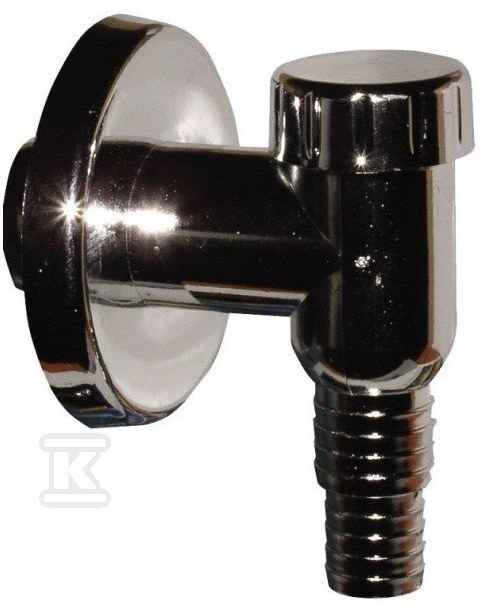
 - Another solution is the Onnline chrome surface-mounted washing machine siphon made of chrome. It perfectly protects rooms against flooding caused by sewage backflow. Solid chrome ensures the durability of the installation. Its dimensions are as follows: length 0.111 m, width 0.106 m, height 0.053 m, weight 0.062 kg, volume 0.001 m3.
- Another suggestion is the surface-mounted washing machine siphon by DALLMER . Made of high-impact polypropylene. Available with a hose connector, wall rosette and mounting materials. We recommend it, as well as other products in the Onninen wholesaler.
To sum up, a washing machine siphon is an absolute must, but its selection should be dictated by prior analysis so that it fits both functionally and visually.
Check out the washing machine siphons at the Onninen wholesaler