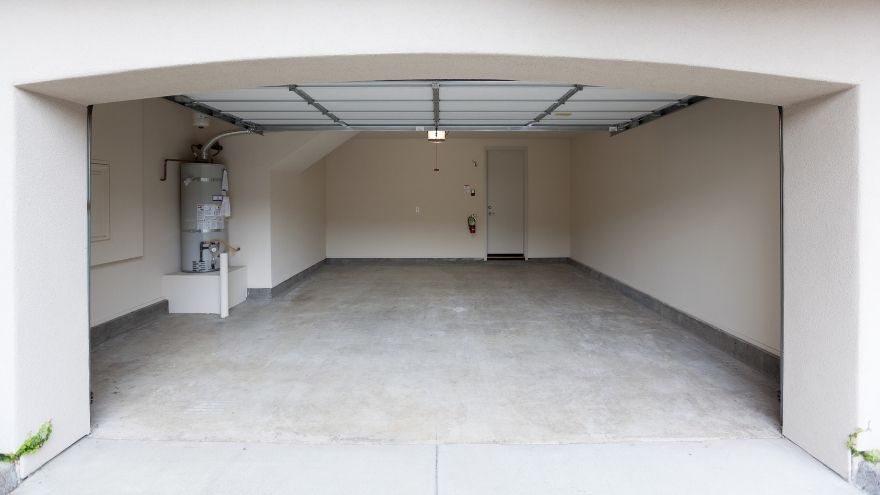
More and more often, parking spaces are located not on the surface, but under buildings. This solution brings many benefits, but also poses a threat to the safety of people and property. Combustion vehicles emit exhaust fumes that contain, among other things, carbon monoxide and can cause the release of flammable gases. Therefore, in accordance with the applicable law, gas detectors cooperating with the ventilation system must be installed in multi-space underground garages. Find out which gas detection system to choose in an underground garage to meet the standards and allow you to feel really safe.
Check gas and exhaust alarm systems at the Onninen wholesaler
What legal requirements regarding gas detection must underground garages meet?
The obligation to equip an underground garage with a gas detection system results from the Regulation of the Minister of Infrastructure of 12 April 2002 on the technical conditions that buildings and their location should meet. In accordance with § 108 section 1 points 3 and 4 of the regulation, mechanical ventilation controlled by detectors of unacceptable carbon monoxide concentration levels should be used in a closed garage, and if parking cars with LPG installations is permitted, then also by detectors of unacceptable propane-butane gas concentration levels. Carbon monoxide detectors are required in garages offering 10+ spaces, while LPG detectors are required regardless of the number of parking spaces.
 Many guidelines on the design of installations of detection systems in garages are included in the standard PN-EN 50545-1: "Electrical apparatus for the detection and measurement of toxic and flammable gases in garages and tunnels - Part 1: Basic functional requirements and test methods for the detection and measurement of carbon monoxide and nitrogen oxides".
Additionally, in the context of gas detection systems in underground garages, it is worth familiarizing yourself with the Regulation of the Minister of Internal Affairs and Administration of 7 June 2010 on fire protection of buildings, other construction objects and areas. The legal act states that devices protecting against the occurrence of an explosion and limiting its effects are classified as fire protection devices. Electronic systems for detecting explosive gases are fire protection and fire protection .
Toxic gas sensors vs. flammable gas sensors
Toxic gas sensors (three-threshold carbon monoxide detectors) protect people from poisoning by monitoring the concentration of carbon monoxide from vehicle exhaust fumes. When concentrations hazardous to health are exceeded, they activate appropriate ventilation stages. In addition to carbon monoxide detectors, nitrogen oxide detectors are also installed in underground garages. Electrochemical sensors are primarily used to detect toxic gases.
 The explosive gas detection system signals the occurrence of dangerous concentrations of flammable gases (e.g. carbon monoxide, methane, ammonia, acetylene). Additionally, such a system can activate executive devices that eliminate or limit the risk of explosion, e.g. turn on fans or open smoke flaps.
Both stationary gas detectors and portable gas sensors are available on the market. Stationary systems are considered more reliable, effective and comfortable to use. Portable solutions require the creation of special procedures for their use, enforcement of compliance with procedures from underground garage users and completion of many other formalities.
To ensure proper operation of the gas detection system, it is necessary to adapt the devices to the conditions in the underground garage and to the needs of its users. It is necessary to take into account, among others, temperature, air humidity, presence of gases interfering with the measurement, the need to use emergency power supply or the need to control actuators. The configuration of alarm thresholds is also crucial - the thresholds should not be too low to avoid false alarms. In addition, the places where the detectors are installed should be considered. During operation, it is necessary to remember to observe important deadlines: system operation inspection, sensor calibration or battery replacement and to commission these inspections to authorized entities.
Gas detectors at the Onninen wholesaler
 In the Onninen BHP wholesaler, professionals can find complete gas and exhaust gas alarm systems at various levels of advancement. Our range also includes individual system components: gas detectors, control modules (alarm panels), actuators and numerous accessories. We cooperate with renowned manufacturers of measuring devices and detection systems. The offered solutions combine high functionality with modern aesthetics, finding application in homes, apartments, garages, offices, industrial plants and public utility facilities. They guarantee precise detection of hazardous volatile substances.
Do you need help in selecting the right gas detection system components for your underground garage or any other facility? Remember that you can count on the support of Onninen's technical and sales advisors. Contact us by phone or email.
Check gas and exhaust alarm systems at the Onninen wholesaler