Maintaining the right temperature in the home is crucial for thermal comfort and energy efficiency. However, simply investing in a modern heating device may not be enough. To avoid constantly adjusting settings, it is worth automating heating. The Swedish manufacturer ESBE creates solutions that ensure full automation of the heating/CWU installation. This includes mixing valves VRG, which you can read about in our guide.
Check regulatory valves at Onninen warehouse
How do three-way valves work?
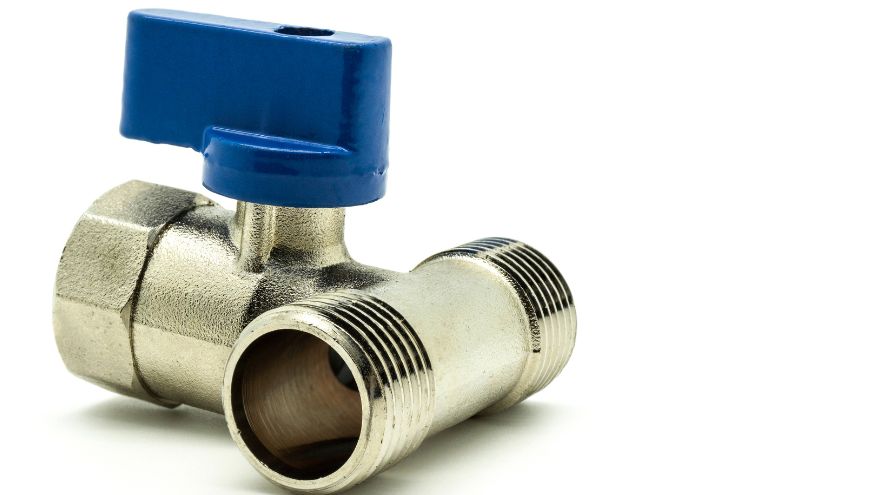
A three-way valve acts as a mixer, combining hot water with cold. Moving the stem with the plug adjusts the flow ratios, thus achieving the desired water temperature. The valve can be adjusted manually with a knob or automatically, working with an actuator and controller.
- In heating installations, the valve mixes hot water with cooler return water to achieve the optimal
 temperature for radiators or underfloor heating.
 - In CWU installations, the valve mixes hot water from the tank with cold water to ensure a stable temperature at the draw-off points.
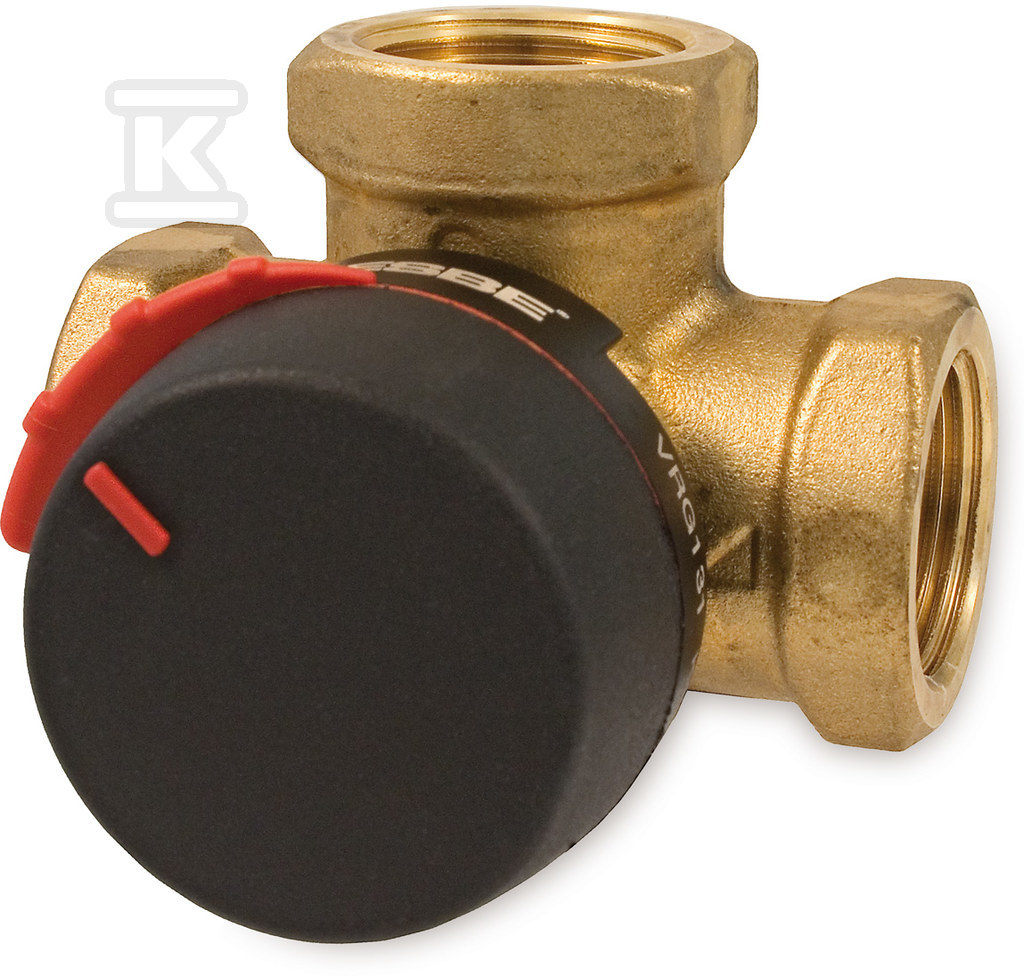
ESBE VRG series three-way valves – excellent regulation for maximum efficiency
The VRG130 series from ESBE consists of 3-way rotary mixing valves made from a special brass alloy. This allows them to be safely used in heating and cooling installations. They feature excellent regulation, low internal leakage (< 0.05%), compact dimensions, increased durability and lifespan, as well as ease of installation and adjustment. They are available in sizes DN15-50 and with various types of connections.
Which VRG valve to choose for the installation?
A properly selected three-way valve is the basis for the efficiency and reliability of the system. The most important parameter is Kvs. The Kvs value, expressed in cubic meters per hour (m³/h), indicates the amount of water that flows through a fully open valve with a pressure drop of 1 bar. This is a key indicator for selecting the appropriate valve for the needs of a given installation, ensuring proper flow capacity and thermal comfort. We provide recommended Kvs values for underfloor heating and radiator installations, taking the ESBE VRG131 mixing valve as an example.
For underfloor heating, the heated area is important:
| Area | Recommended VRG131 valve |
|---|---|
| 80–140 m² | Kvs 4, Rp ¾ |
| 125–230 m² | Kvs 6.3, Rp 1 |
| 200–350 m² | Kvs 10, Rp 1 |
For ΔP of the valve: 3-10 kPa, 50/W m² and ΔT=5K, Rp – internal thread
For radiator installations, which require higher supply temperatures, the selection of Kvs should take into account the system power.
| System power | Recommended VRG131 valve |
|---|---|
| 12–21 kW | Kvs 4, Rp ¾ |
| 19–35 kW | Kvs 6.3, Rp ¾ |
| 30–55 kW | Kvs 10, Rp 1 |
For ΔP of the valve: 3-10 kPa and ΔT=15K, Rp – internal thread
Installation and adjustment instructions for the ESBE three-way valve
We present how easily you can install and set the ESBE three-way valve. The instructions refer to the VRG130 model, as the VRG230 valve has a different plug shape and flow, while the VRG330 features high flow capacity. The location of the plug and symbols is the same in all ESBE three-way valves.
- Take all elements out of the box and familiarize yourself with the attached instructions.
- Unpack the valve and look at the symbols. These are: production date code, maximum static pressure, 8-digit product number, valve dimensions, Kvs value, and product name.
- Select the appropriate position for the plug by turning the shaft with your fingers or knob (without mounting the scale). The position is indicated by a groove on the stem.
- Install the connection using the appropriate connection kits. The VRG series is available in sizes DN15-50 with various types of connections that fit most pipe dimensions. If the valve is to be installed for mixing purposes, it should be opened 50% with the groove at a 45° angle between the hot and cold water inlets.
- Install the scale between the working connections. The thick part facing the cold water connection indicates full heat.
- Install the knob. The scale combined with the knob limits the valve's operating range to 90°. The red indicator on the knob shows the position of the plug inside the valve. If it points to the hot water inlet, it means 0% opening of hot water. If it points to the cold water inlet, it means 100% opening of hot water.
What can go wrong?
The most common installation errors are:
- incorrect flow direction,
- accidental settings,
- incorrect valve size (DN).
- Solid contamination in one of the control ports
Remember that the valve itself is only part of the success. For full operational efficiency, it is essential to equip the system with an actuator integrated with the controller. The controller ensures that the optimal temperature is maintained. Regulatory valves from ESBE work seamlessly with actuators and controllers from the brand.