A generator will provide an independent source of electricity in emergency situations. You will appreciate it, for example, during power outages caused by network failures, extreme weather conditions, or maintenance work. Having a generator at home gives a sense of security and comfort, allowing you to power the most important devices. It is particularly useful in single-family homes with heating systems dependent on electricity. However, to ensure it is a real support in times of crisis, you must choose the right model. When making a decision, you should consider, among other things, the power of the generator.
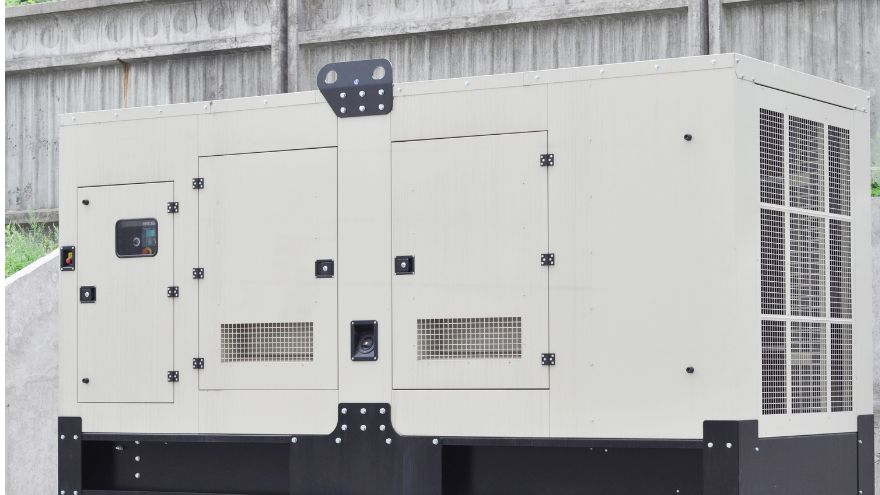
Check 3 kW generators at Onninen warehouse
How to calculate the power demand in your home?
To select a generator with the appropriate power, you should first calculate the electricity demand of your home. To do this, make a list of devices, taking into account primarily the essential equipment (e.g., refrigerator, washing machine, computers, lighting, electric stove, underfloor heating, or instantaneous water heater). Then check their rated power. Manufacturers provide this information on nameplates or in the device documentation – usually in kilowatts (kW). Below we also present a table with approximate values for the most important devices:
| DEVICE | APPROXIMATE RATED POWER in kW |
|---|---|
| energy-efficient refrigerator | 0.2-0.25 |
| desktop computer with monitor | 0.5-1 |
| television | 0.1-0.2 |
| 10 LED light points | 0.1-0.2 |
| automatic washing machine | 2-2.5 |
| dishwasher | 1-1.5 |
| electric kettle | 1-2 |
| microwave oven | 0.8-1.5 |
| mobile electric heater | 1-2 |
To ensure the result is reliable, also consider the simultaneity factor. Not all devices operate at the same time, so it is unlikely that the electricity consumption in the house will equal the total rated power of the equipment. For an average single-family home, a factor of 0.5–0.6 is assumed.
The last step is to calculate the approximate connection power, understood as the sum of the power of all devices multiplied by the simultaneity factor. An example? If the total power of the devices is 6 kW, after applying the simultaneity factor (0.6), the resulting power needed to supply the basic receivers will be about 3.6 kW.
What can be powered by a 3 kW generator? Example devices
A 3 kW generator can successfully power basic devices in the home – especially if not all are operating simultaneously. With such a generator, you can connect, for example:
- energy-efficient refrigerator class A+++, consuming about 200 W–210 W;
- several LED light points;
- computer (0.5–1 kW);
- washing machine or dishwasher operating individually.
However, a 3 kW generator will not be sufficient to power an electric stove (7–10 kW), oven (2–2.5 kW), or instantaneous water heater (4–24 kW) simultaneously. Therefore, a model of this power will mainly be suitable for maintaining the operation of basic devices and lighting, rather than for heating or cooking.
When is it worth choosing a more powerful generator?
In the case of larger houses or buildings with electric heating, heat pumps, or instantaneous water heaters, a 3 kW generator may prove insufficient. A more powerful generator, e.g., 5–10 kW, will be necessary if you want to power:
- induction or electric stove;
- oven and heating plate simultaneously;
- water heating system for the entire house;
- electric heating or heat pump.
As you can see, a generator is an excellent solution if you want to ensure energy security regardless of the situation. A 3 kW generator will be sufficient to power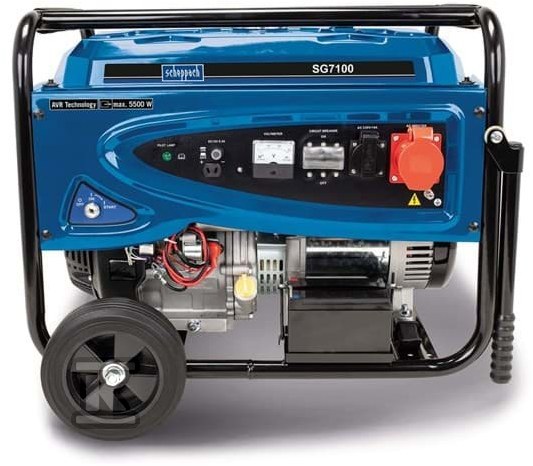 basic devices such as refrigerator, lighting, or computer, but when it comes to electric heating, stove, or heat pump, it is worth considering a model with higher power. Before purchasing specific equipment, it is advisable to make a list of devices and estimate their total energy demand, as well as consider the simultaneity factor.
IN SHORT:
When will a generator be useful?
A generator will be useful during power outages caused by network failures, extreme weather conditions, or maintenance work. By purchasing it, you gain an independent source of energy, and thus – comfort and safety in a crisis situation.
How to calculate the energy demand of a home?
To calculate the energy demand, you need to make a list of the devices you use and check their rated powers, then sum the values. Multiply the resulting figure by the simultaneity factor (0.5–0.6).
Is a 3 kW generator sufficient to power home devices?
A 3 kW generator will be sufficient to power basic devices such as refrigerator, lighting, computer, or washing machine. However, it will not cope with high-power devices – e.g., electric stove, oven, or instantaneous water heater.