Selecting the right gas boiler for underfloor heating installations is a key step that has a huge impact on the efficiency, savings and reliability of the entire heating system. Underfloor heating differs significantly from classic room heating methods, such as radiators, and places specific requirements on the boiler regarding operating parameters. Selecting the right boiler allows you to optimize operating costs, ensures thermal comfort and reduces the risk of faults resulting from working with inappropriate parameters.
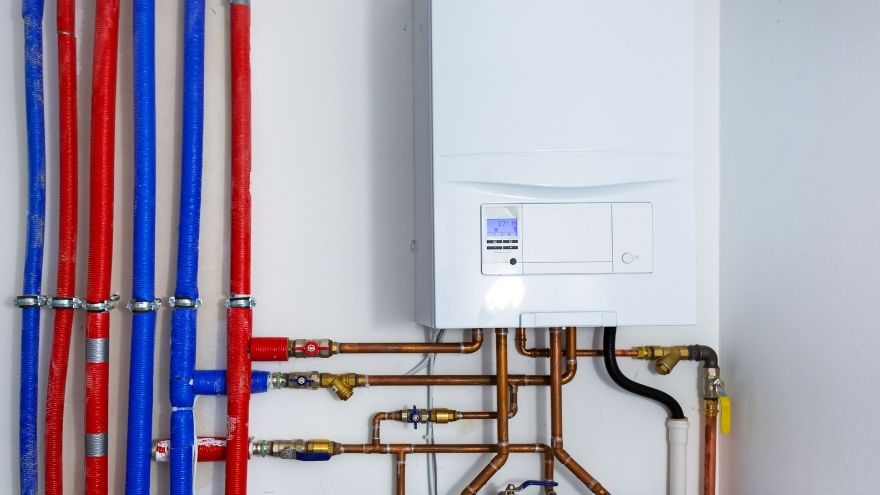
Check out boilers and stoves at the Onninen wholesaler
Selection of a gas furnace depending on the floor heating area
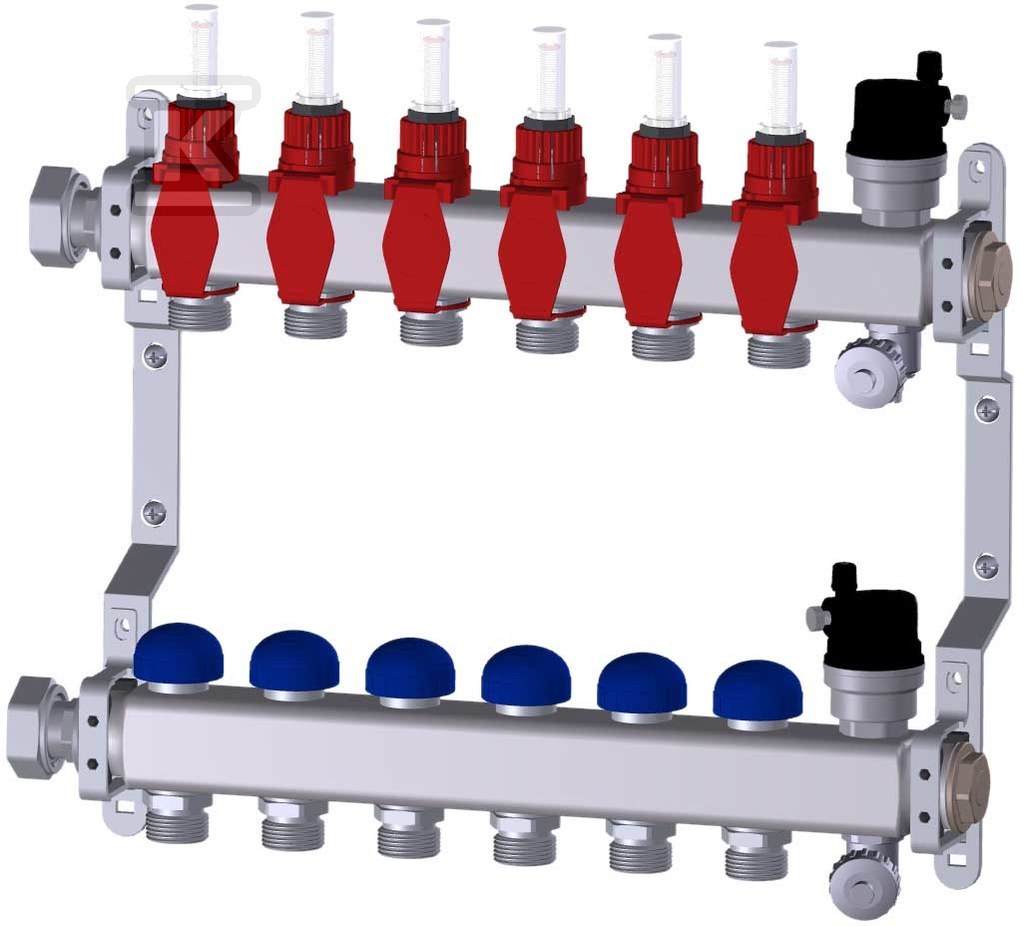 The heated surface directly affects the demand for thermal power, and consequently the selection of the appropriate boiler power. The larger the surface of the underfloor heating, the greater the demand for thermal energy. Gas boilers should be selected based on an energy analysis of the building, which takes into account:
- Type and thickness of building insulation – well-insulated buildings require less heat energy than those with less insulation.
- Building type and purpose – single-family homes, multi-family buildings or commercial spaces may have different thermal requirements.
- Building location – the local climate, i.e. average outside temperatures, can significantly affect heating demand.
In modern, well-insulated buildings, 30-50 W per square meter is usually needed, while in older, less insulated buildings, these values can reach 100-120 W/m². For example, for an area of up to 100 m², a gas furnace with a power of 6-10 kW is sufficient, while for an area of over 150 m², boilers with a minimum power of 15-20 kW are recommended. In the case of large buildings, it is a good idea to choose a boiler with a wide range of power modulation, which allows the device to be adjusted to changing thermal conditions, minimizing energy losses.
Is a condensing or pulse gas furnace for underfloor heating a better choice?
The decision between choosing a condensing or pulse boiler when deciding on underfloor heating depends on various factors, but both types work well in this type of installation because they are designed to work at low temperatures - key for underfloor heating systems.
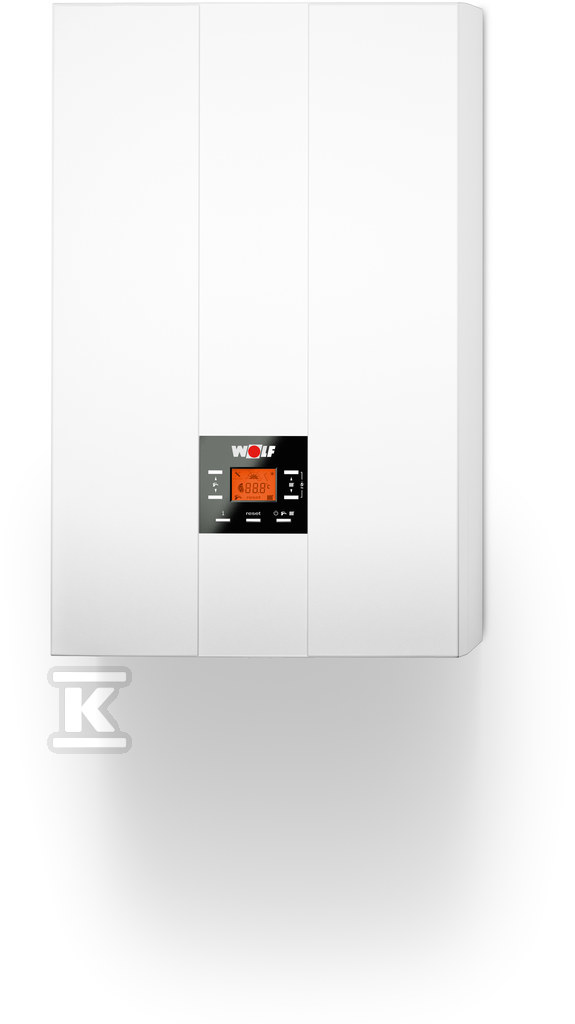 The condensing boiler is a popular choice for underfloor heating due to its high efficiency, easy availability and proven technology. It works on the principle of heat recovery from exhaust gases, which allows to achieve efficiency of 100-110%. These boilers are ideal for operation at lower temperatures, which perfectly meets the requirements of underfloor systems, where water usually reaches a temperature of 30-50 ° C. In addition, advanced power modulation technology allows for precise adjustment of the boiler operation to the current heat demand, which translates into gas savings.
The pulse boiler uses advanced technology based on pulsating explosions of a gas and air mixture, allowing full use of the heat from combustion. Thanks to this, it achieves very high thermal efficiency, at a level of up to 109-110%, with low gas consumption. These boilers are characterized by a small number of moving parts, which reduces the risk of failure and can reduce maintenance costs. These are energy-saving devices, but their technology is not yet as widespread as condensing boilers, which may mean a higher purchase cost and more difficult access to service.
For most underfloor heating users, a condensing boiler will be a more suitable and versatile solution, mainly due to its wide availability, proven technology and lower initial costs.
Low-temperature furnaces for underfloor heating
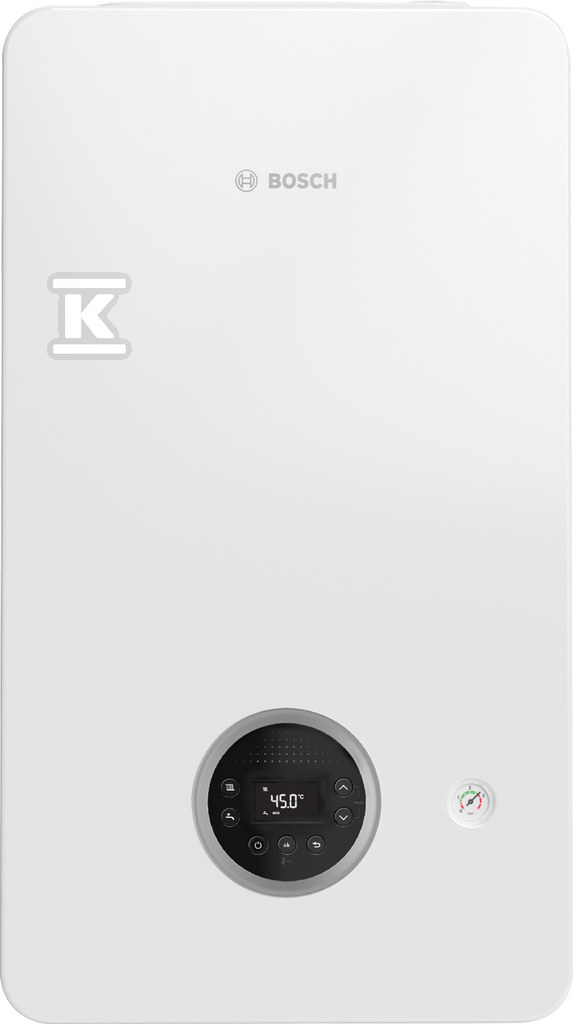 Low-temperature furnaces are designed to operate in systems where the supply water temperature does not exceed 50°C. These devices are perfect for installations with surface heating , such as underfloor heating, which require low-temperature heat sources. The most frequently chosen low-temperature furnaces for underfloor heating are condensing boilers, biomass boilers and heat pumps.
The advantages of low-temperature furnaces include high energy efficiency, which translates into lower operating costs due to their operation in low-temperature heating systems. They are also more ecological than traditional coal-fired boilers, as they emit fewer pollutants and reduce CO2 emissions, making them environmentally friendly.