Silicone is an irreplaceable material in the work of an installer. Its sealing properties and durability make it a popular choice for securing shower cabins and shower trays. However, to achieve lasting and aesthetic effects, it is worth knowing a few important issues regarding the choice of silicone and the method of its application. In this article, we will discuss how to properly silicone a shower cabin to avoid later problems with leaks and mold.
Check out the sanitary silicones at the Onninen wholesaler
Silicone coating of a shower cabin - from the inside or outside?
Shower enclosure silicone is an important step in the plumbing installation process. However, when it comes time for this task, the question often arises: should the shower enclosure be siliconed from the inside or outside? The answer to this question depends on many factors that are worth considering before starting the work.
Siliconizing from the inside - This is the most common choice, and it has its justification. By siliconizing the shower cabin from the inside, we will provide better protection against leaks. The silicone gap, which is located inside the cabin, is protected from the effects of water. This means that it will be less exposed to mechanical damage and wear, which translates into a longer life of the seal.
In addition, siliconizing from the inside allows for a more aesthetic end result. The gap is hidden and not visible from the outside of the shower cabin, which adds aesthetics to the entire structure.
External silicone coating - This choice may be justified in some situations, but is less popular. External silicone coating of a shower enclosure may be necessary if the interior of the enclosure is difficult to access or if there are technical constraints. However, there are some drawbacks to this approach. The silicone on the outside of the shower enclosure is more susceptible to damage, both mechanical and from exposure to weather conditions. This can shorten its lifespan and require more frequent repairs.
How to seal a shower cabin?
Sealing a shower enclosure is an important step in the plumbing installation process. To properly seal a shower enclosure, follow these steps:
- Surface preparation: Make sure the surface you are applying the silicone to is clean and dry. Remove any old sealant, soap residue, or limescale. You can use special cleaning agents, as well as isopropyl alcohol, to thoroughly clean the surface.
-
 Choosing the right silicone: Choose a sanitary silicone with the right properties. It is recommended to use neutral silicones, which are flexible and resistant to moisture. Also choose a silicone color that matches the color of the cabin.
 - Preparing your tools: Gather your tools, such as a silicone gun, scissors to trim the tip of the silicone tube, as well as soapy water and a sponge for smoothing.
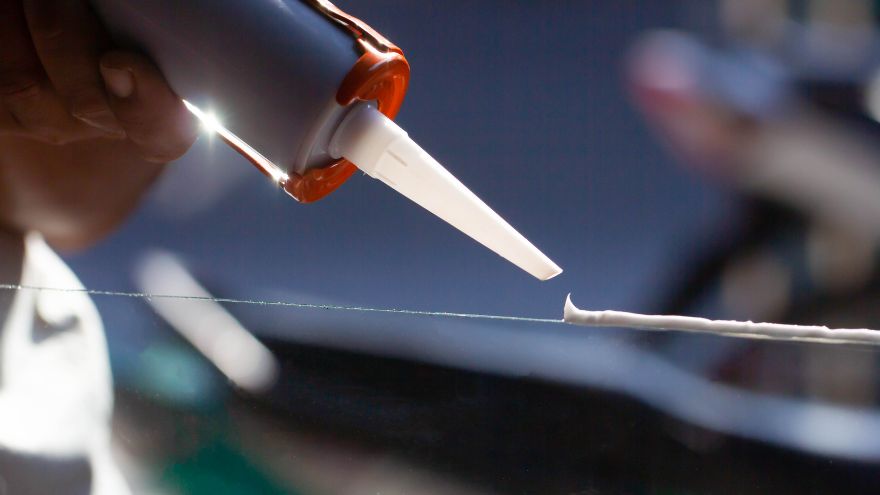
- Applying the silicone: Cut the tip of the silicone tube to the right width, usually around 5mm. Then apply an even layer of silicone along the shower joint. Try to maintain even pressure on the joint to achieve an even layer.
- Smoothing: Immediately after applying the silicone, use a sponge dampened with soapy water to gently smooth the sealing surface. This will help to achieve a smooth and aesthetic surface.
- Drying: Leave the silicone to dry for approximately 24 hours (drying time may vary depending on the type of silicone). Do not use the shower during this time to avoid damaging the freshly applied silicone.
- Final finish: Once the silicone has dried, you can thoroughly clean the shower cubicle and remove any residue from your work.
Which silicone should I choose to seal the shower cabin and shower tray?
Choosing the right sanitary silicone is key to effectively sealing your shower enclosure. It is worth paying attention to several important factors:
 Type of silicone : sanitary silicone is not one substance. There are different types of silicone, for example acidic and neutral. For a shower cabin, it is recommended to use neutral silicones, which are more flexible and resistant to moisture.
Color : Choose a silicone color that matches your cabin color scheme. Different shades are available to maintain the aesthetics of the finish.
Quality certificates : Make sure that the silicone you choose has the appropriate quality certificates to guarantee its durability and safety of use.
Flexibility : The silicone should be flexible enough to compensate for the movements and vibrations of the shower enclosure, which will prevent cracks and leaks.
Shower cabin silicone is an important stage in the process of sanitary installations. By choosing the right silicone and sealing the cabin from the inside, we will ensure not only an aesthetic appearance, but also long-term protection against leaks. Remember that the quality of the work performed affects customer satisfaction and the reputation of the specialist.