The torque of a bolt is a fundamental concept in mechanics. It defines the force with which a bolt or nut must be tightened to ensure the durability and safety of the connection of structural elements. This value is expressed in Newton meters (Nm) and depends on many factors, including the diameter of the bolt, strength class, type of thread and material of manufacture. Both under- and over-tightening can lead to damage or failure of the connection. Special bolt tightening tables are used to quickly determine what force to use in a given case. This article will tell you how and when to use such tables.
Check out screwdrivers and pliers at the Onninen wholesaler
What is tightening torque and what is its importance in practice?
The concept of torque is particularly important in industries that rely on safe and durable bolted connections, such as automotive, construction, machinery and aviation. Torque is the force that must be exerted on a bolt or nut to effectively connect two structural elements. This value is expressed in newton meters [Nm]. The ability to precisely adjust the screw tightening torque allows you to avoid serious assembly errors. It affects the tightness of the structure, the correct operation and strength of mechanical systems, the course of possible disassembly and the durability of the connected elements. A screw that is too loose can loosen under the influence of vibrations or loads. In turn, its excessive tightening is associated with the risk of irreversible deformation of the thread, damage to the mounting holes, inability to disconnect the elements or break the screw. Even the best pliers for unscrewing worn screws may not help in such situations…
How to correctly determine the tightening torque of screws?
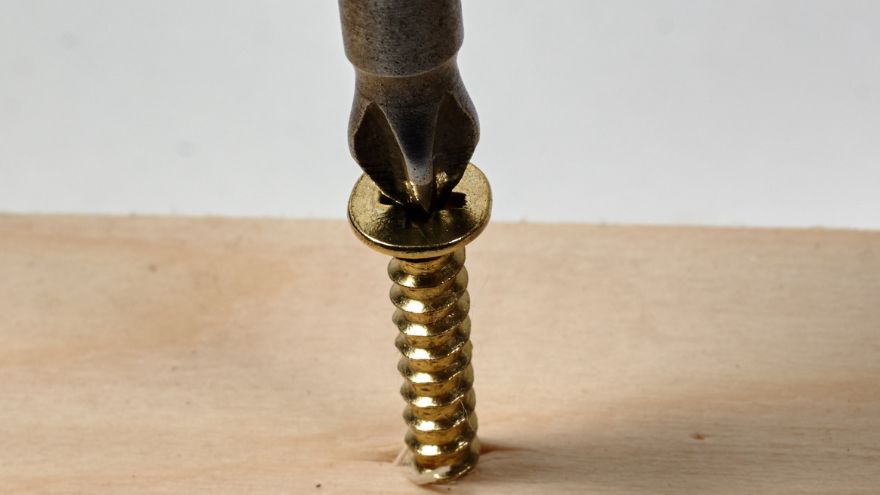
Tightening screws is – contrary to appearances – not an easy task, because the force must be carefully dosed. The screws available on the market are characterized by a different structure, which means that they differ in mechanical properties. In order to correctly determine the tightening torque of a given screw, you need to 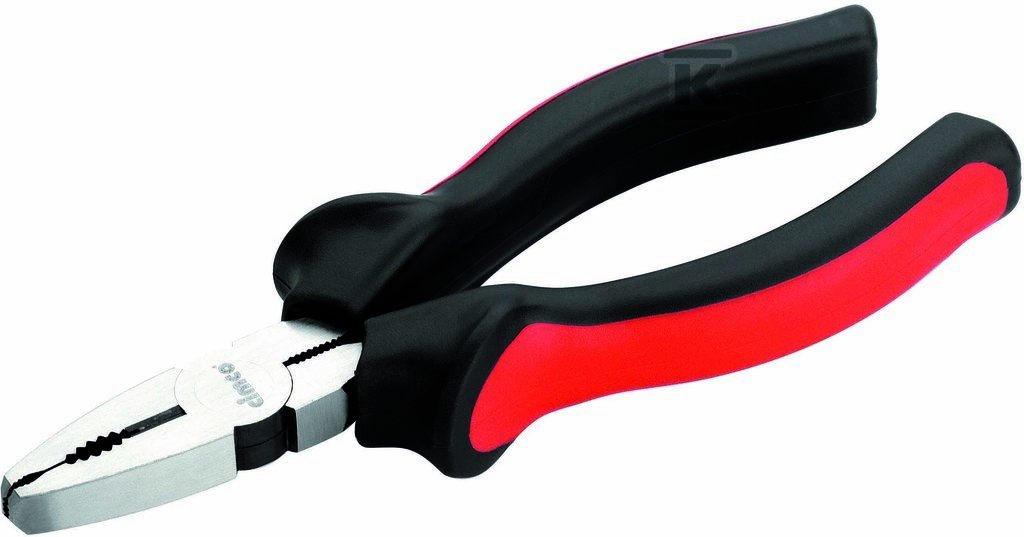 take into account its strength class, diameter, type and thread pitch, and material of manufacture. However, it is difficult to imagine the work of a specialist who manually calculates the tightening torque for each screw connection being created or learns the values by heart. This would require him to know many parameters and mechanical formulas. Therefore, manufacturers provide special screw tightening tables, in which they indicate the optimal values of the tightening torque under specific conditions and for specific screw types.
Torque tables – what do they contain and how to use them?
Torque tables contain information on the recommended torque for specific types of bolts and nuts. Sometimes they also contain information on the recommended size of the torque wrench. Using the table, you can easily apply the correct force when tightening the bolt. Simply find the appropriate bolt and apply the recommended torque value. Of course, you need to know the exact parameters of the bolt you want to tighten: its strength class, diameter, thread type and material. This information is usually found on the packaging or in the technical documentation. Remember that the values indicated in the tables take into account the coefficient of friction. Do not exceed the torque value in the table!
How to measure and control bolt tightening torque?
You have read the table for the correct torque for your bolt. But how do you know that you are using the exact amount of force? First of all, you must not tighten the bolts “by eye”. To precisely set and then control the tightening force of the bolt, use a torque wrench . It will inform you when the correct torque is reached with an audible message, vibration or light signal. Torque wrenches are essential hand tools in car mechanics’ workshops and DIY garages. It is important to calibrate the torque wrench regularly, according to the manufacturer’s recommendations, to ensure the accuracy of the measurements. Professionals also use pneumatic wrenches , which are equipped with an automatic stop function when the correct torque is reached, as well as electronic torque meters for advanced and demanding applications. Failure to use specialist tools when creating bolted connections involves the risk of damaging components or other serious problems.
Summary
Bolt torque tables are essential support when creating bolted connections. They allow you to quickly and precisely determine the force with which you need to tighten a given bolt to obtain a safe, durable and reliable connection. Knowing and applying the appropriate torques is crucial in mechanics and construction, among other things.
We encourage professionals working with screw connections to familiarize themselves with the offer of the Onninen tool and construction wholesaler. Our assortment includes screws and nuts, screwdrivers and pliers , as well as torque wrenches in many different variants. We provide advice on choosing solutions tailored to your needs.