Bathroom radiators come in many different versions, and the choice of the optimal one should depend on the specifics of the specific room. When making a decision, it is worth remembering that this is a device that must combine functional and aesthetic values. So if you are wondering how to choose a radiator for the bathroom , read our guide. We will tell you which products will work best in your clients' apartments!
In this article you will learn:
- what to consider when choosing a bathroom radiator,
- what material should a bathroom radiator be made of,
- how to calculate the power of a bathroom radiator.
Does a bathroom radiator make sense in a block of flats with central heating? Does it really work in single-family homes or is it just a more practical towel rail? After all, it is not without reason that such devices have been popular for years among people planning to build or renovate . It is even said that you should not give up a bathroom radiator even in the case of using underfloor heating. It turns out that these two methods of heating rooms complement each other perfectly.
Water radiator, electric radiator, or maybe water-electric radiator?
To choose the right bathroom radiator , you need to know what the differences are between the models available on the market. First of all, it is worth considering the issue of power supply for such a device. You have at your disposal:
- Water radiators – can heat the entire bathroom on their own, but they do not work outside the season. This means that the ability to dry the air on cool, humid summer days is lost. Water radiators are connected directly to the central heating system.
- Electric radiators – these are the opposite of water models. They are too weak to heat a bathroom on their own, but they can be used all year round. They are therefore perfect for drying towels and providing thermal comfort on cooler summer days. Simply plug them into an electrical outlet.
- Water-electric radiators – this is a very comfortable solution that combines the advantages of both types of devices. Radiators of this type are connected to the central heating system, but they also have an electric heater for bathroom radiators , which can be turned on at any time. Interestingly, such heaters are also sold separately, and their construction is adapted to the construction of radiators.
Check out the Enix brand zone at the Onninen wholesaler
Bathroom radiator - not just warmth
In addition to the basic heating function, a bathroom radiator also has other functions that are no less important. Let's take a look at them all.
Improved thermal comfort
The prospect of stepping out of a steamy shower into a cold bathroom gives you goose bumps before you even take your clothes off. Heating the room to 24°C solves the problem.
Regulating the air humidity in the room
The bathroom is by its nature the most humid room in the house. If it can be heated and dried at the same time, there is no further argument for using a radiator.
Drying towels and small laundry
The bathroom is best suited for drying towels and laundry, but due to humidity it is also the most difficult. The radiator solves the problem!
Decorative function
A well-selected device offers not only practical but also aesthetic values.
Bathroom radiators - options to choose from
Bathroom radiators available on the market come in many variants that differ in both the material they are made of and the heating power. We will analyze both of these parameters in the following paragraphs.
Bathroom radiators from Enix
Bathroom radiators – which material to choose?
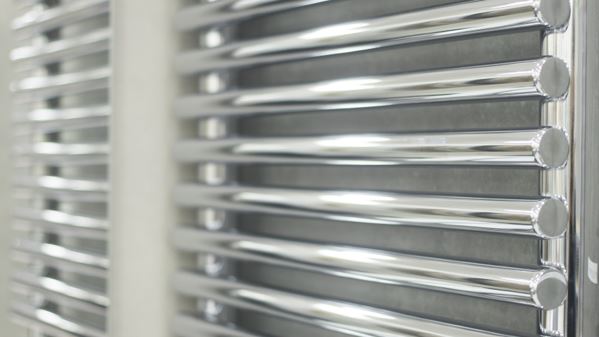 The material used to make the radiator is one of the most important criteria for selecting this device. It primarily determines its durability, as well as the method of installation. The type of material will largely depend on the method of powering the radiator.
Aluminum or copper radiators
Aluminum is most often used to make bathroom electric radiators. It is a lightweight material that facilitates installation and is characterized by optimal technical parameters. Copper, on the other hand, is usually found in water models. This metal is worth choosing especially when the central heating installation is also made of it. Copper can also be easily connected to plastic pipes.
Steel radiators
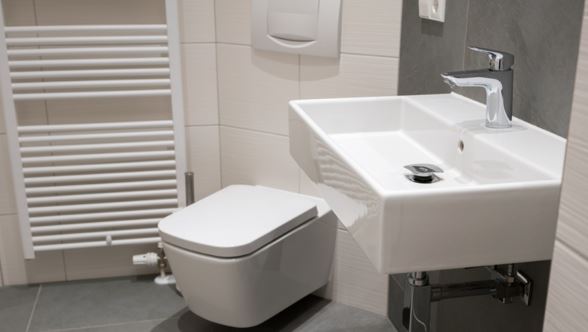
Despite the widespread use of copper and aluminum in bathroom radiators, manufacturers most often reach for steel. It is characterized by exceptional resistance, definitely surpassing other materials in this respect. Both water- and electricity-powered devices are made of steel. When connecting a steel radiator to a copper central heating system, it is necessary to remember to use Teflon inserts in places where different materials come into contact. This will prevent corrosion.
Check out bathroom radiators at the Onninen wholesaler
Radiator finishing
It is also worth mentioning the issue of radiator coating. The finish determines both the durability of the devices and their resistance to corrosion, as well as their aesthetic values. The powder method works best in this case, guaranteeing excellent coverage and a smooth surface of the radiators even after many years of use. Products can be painted, chrome-plated, metalized or satin-finished. As you can easily guess, they are available in many different colors.
Exchange benefits on the new OnnTop loyalty platform!
How to choose the power of a radiator for the bathroom?
One of the key criteria for choosing a radiator is its power. To determine this value, you need to know:
- supply and return water temperature in the central heating system,
- the temperature you want to achieve in the bathroom,
- heat demand of the room.
Remember that if the bathroom radiator is to be used not only for heating the bathroom, but also for drying towels, it is worth choosing a model with a power 10-20% higher than that resulting from the calculations. Also pay attention to the way the device is connected to the installation. In the case of bottom power supply, it is good to add another 10%, because manufacturers most often provide power for top-bottom heating, which is characterized by the highest efficiency.
How to calculate the power of a bathroom radiator? First, you need to know the dimensions of the room. So measure its area and height. The larger the volume of the bathroom, the higher the efficiency of the radiator must be. The choice of power should also depend on the quality of the building's insulation. Old, poorly insulated buildings will require significantly more heat energy.
It is assumed that 100-130 W of radiator power should be allocated per 1 m 2 . Higher efficiency will be needed only when the volume of the room is affected by, for example, high ceilings. Remember that the temperature in the bathroom must always be slightly higher than in other rooms. To sum up - if you install a ladder radiator in a room with an area of 5 m 2 , its power should be no less than 500 W.
Choosing a radiator vs. underfloor heating
Another important issue to consider when choosing a bathroom radiator is underfloor heating. Combining these two heat sources is an optimal solution, providing a high level of comfort, especially in larger rooms. When choosing such a model, it is worth ensuring full compatibility of both systems. This can be achieved thanks to a single thermostatic head controlling both the radiator and underfloor heating.
Thanks to this solution, the user can use the full potential of both heat sources. As a result, he will quickly dry damp towels, while at the same time providing himself with exceptional comfort. The heated floor will have a positive effect on his well-being and eliminate the problem of wet rugs.
Bathroom radiators in the Onninen offer
When choosing a radiator for your client's bathroom, familiarize yourself with the assortment of our Onninen plumbing wholesaler . Here you will find efficient devices from renowned manufacturers, among which the Enix brand is worth paying special attention to. Its offer includes both water models and innovative electric heaters. The wide selection will make it easy to guarantee your clients solutions tailored to their needs.
Have questions about the industry? Join the Świat Instalacji group!