Vibration isolator DVA.1-10-10-M4-10-55 Z030866
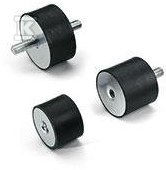

Catalog numbers:
- DVA.1-10-10-M4-10-55
Suggested products
TECHNICAL DATA
Sales unit dimensions and weight: 1 pcs
Vibration isolator DVA.1-10-10-M4-10-55 Z030866
Vibration Isolators – Reduction of vibrations and noise in machines and equipment
Vibration isolators from the DVA.1 series are elements designed to dampen vibrations, shocks and noise generated by machines and equipment. Their use translates to improved work comfort, increased safety and extended equipment life. The construction based on a combination of steel and natural rubber provides effective isolation from vibrations.
Construction and application
Vibration isolator DVA.1-10-10-M4-10-55 is characterized by a cylindrical construction with a threaded steel pin (galvanized or stainless) and a damping body made of natural rubber. This particular model has an external M4 thread on both sides, which facilitates mounting in various applications. It is used to mount components of devices, such as motors, fans or pumps, reducing the transmission of vibrations to the supporting structure. It can also be used to isolate devices from vibrations coming from the environment.
Key features and benefits
- Effective vibration reduction: Natural rubber with a hardness of 55 on the Shore scale provides good damping properties, minimizing the transmission of vibrations.
- Durable construction: Threaded steel pin guarantees a stable and secure connection.
- Versatility: M4 thread on both sides allows for easy mounting in many industrial and home applications.
- Availability of different materials: Possibility of choosing a galvanized steel or AISI 304 stainless steel pin, adapted to specific environmental conditions.
- Application in various industries: Ideal for use in machines, precision equipment, electrical cabinets and anywhere where noise and vibration reduction is required.
- Improved work comfort: Reducing noise and vibration levels translates to better working conditions for machine and equipment operators.
- Extended equipment life: Damping vibrations reduces mechanical loads on structural elements, which contributes to their longer use.
Choosing the appropriate rubber hardness (40, 55 or 70 Shore A) allows you to adapt the damping properties of the vibration isolator to specific application requirements. Higher rubber hardness provides greater stiffness and load capacity, while lower hardness offers better damping of low-frequency vibrations.