Vibration isolator DVA.6-30-36-M8-20-40 Z050479

Catalog numbers:
- DVA.6-30-36-M8-20-40
Suggested products
TECHNICAL DATA
Sales unit dimensions and weight: 1 pcs
Vibration isolator DVA.6-30-36-M8-20-40 Z050479
Vibration Isolators – Reduction of vibrations and noise in machines and equipment
Vibration isolators from the DVA.6 series are elements designed to dampen vibrations, shocks, and noise generated by machines and equipment. Their purpose is to improve working comfort, protect the health of operators, and increase the durability of equipment. Mounted between the vibrating machine and its foundation, they absorb vibration energy, minimizing its negative impact on the environment. They are particularly useful in situations where it is necessary to isolate the device from the ground or minimize the transmission of vibrations to other structural elements.
Design and application
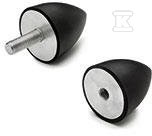
Vibration isolator DVA.6-30-36-M8-20-40 consists of a steel (galvanized) body and a damping element made of natural rubber with a hardness of 40 Shore A. It has an M8 external thread, which allows for easy mounting in various structures. The conical shape ensures stability and effective vibration damping in different directions. This type of vibration isolator is used in many industries, including machine production, industrial equipment, HVAC systems (heating, ventilation and air conditioning) and in construction – wherever noise and vibration reduction is crucial.
Advantages and properties
- Effective vibration damping: Natural rubber with a hardness of 40 Shore A provides good absorption of vibration energy, reducing its transmission to the environment.
- Strength and durability: Construction from galvanized steel guarantees corrosion resistance and long life even in harsh operating conditions.
- Easy installation: M8 thread allows for quick and easy installation in standard threaded holes.
- Versatile application: Suitable for isolating various types of machines and equipment, both portable and stationary.
- Noise reduction: By damping vibrations, it contributes to lowering the noise level generated by operating devices.
- Improved working comfort: Reducing vibrations translates to better working comfort for machine and equipment operators.
- Increased device lifespan: Limiting the impact of vibrations on structural elements extends their lifespan and reduces the risk of failure.
It is important to choose the appropriate rubber hardness (Shore A) depending on the specifics of the application and the type of vibrations generated – the greater the static load, the greater the rubber hardness should be used.