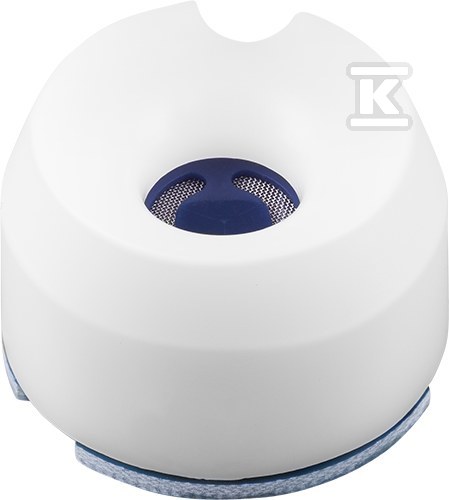
Sensory module MS-4E/N1 GAZEX Ammonia (from -40°C), 100ppm

Suggested products
TECHNICAL DATA
Sales unit dimensions and weight: 1 pcs
Sensory module MS-4E/N1 GAZEX Ammonia (from -40°C), 100ppm
Ammonia Detection Sensory Module for Low Temperatures
The MS-4E/N1 module is a replaceable electrochemical sensor designed for installation in GAZEX DG-4E/N1, DG-4E1/M, and DG-4E1/MR series detectors. It is used to detect ammonia (NH₃) in the range of 5–100 ppm, with two fixed alarm thresholds: 20 ppm (NDS) and 40 ppm (NDSCh). Its primary application is monitoring the presence of this gas in refrigeration installations where temperatures may drop to -40°C.
Replacement Without System Disassembly
The module is designed to enable quick replacement or calibration without disconnecting the detector from the installation. The user can independently remove the sensory module, calibrate it under laboratory conditions, or replace it with a new, pre-calibrated unit. The entire operation requires no intervention in wiring, electrical circuits, or system configuration—significantly reducing service time and minimizing downtime.
The module's internal processor stores operational history data: number of alarm activations, duration of alarm states, measurement range exceedances, and any malfunctions. This information enables analysis of operating conditions—for example, whether the sensor operated in a high-concentration zone for an extended period or if frequent false signals occurred. This facilitates diagnosis and decisions regarding sensor replacement or system parameter adjustments.
Flexibility for Installation Upgrades
If the type of hazardous substance changes in the facility—for example, from ammonia to another substance—there is no need to replace the entire detection system. It is sufficient to replace only the sensory module with one suitable for the new substance. This solution reduces upgrade costs and eliminates the need to reconfigure the detection control panel.
The module is compatible exclusively with selected GAZEX detector models and cannot operate independently. It does not have its own power supply or RS-485 communication interface—these functions are provided by the detector into which it is installed.