The question of whether a recuperator removes moisture is one of the most frequently asked by our clients planning to install mechanical ventilation. At Onninen, as experts in ventilation systems, we know that the answer is not straightforward and depends on the type of heat exchanger used and the operation of the entire system.
A recuperator is a device that primarily recovers heat from the air being expelled from the rooms. However, its impact on the humidity level in the home is much more complex than it might seem. From our many years of experience in the installation industry, we know that a properly selected system can both reduce excess moisture and prevent air from becoming too dry.
Check recuperation at Onninen warehouse
How the recuperator affects humidity levels in the home
In its basic version, a recuperator with a counterflow or cross-flow heat exchanger does indeed remove moisture from the rooms. This occurs through the natural process of condensation of water vapor on the cold surfaces of the heat exchanger. The condensed water is then drained away through the drainage system to the sewage.
The mechanism of moisture removal in a standard recuperator
During the operation of a standard recuperator, warm air expelled from the rooms comes into contact with the cooler surfaces of the heat exchanger. As a result, water vapor condenses and is removed from the building along with the expelled air. This natural phenomenon allows recuperators to effectively manage excess moisture, especially in rooms such as bathrooms or kitchens.
When the recuperator can dry out the air
The problem of drying out the air mainly occurs in winter when the outside air has naturally low humidity. Even after being heated in the exchanger, such air can cause discomfort for the residents. Buildings that are energy-efficient with very tight envelopes are particularly susceptible to this issue.
Entalpic recuperators - a solution to the problem of dry air
In response to customer needs, Onninen offers recuperators with entalpic heat exchangers, which not only recover heat but also retain moisture in the rooms.
How the entalpic exchanger works
An entalpic recuperator uses a special polymer membrane that allows water vapor molecules to pass through while blocking the flow of odors and pollutants. As a result, up to 85% of the moisture from the expelled air is transferred to the incoming air stream.
| Type of exchanger | Heat recovery | Moisture recovery | Application |
|---|---|---|---|
| Standard counterflow | Up to 95% | None | Buildings with excess moisture |
| Entalpic (ERV) | Up to 85% | Up to 85% | Energy-efficient buildings |
| Rotary | Up to 90% | Up to 90% | Industrial applications |
Wall recuperators - compact solutions for every room
For smaller spaces or the modernization of existing buildings, we recommend from our offer wall recuperators. Such devices, like the compact wall recuperator AIWA ERV10YA available at Onninen, can also be equipped with a moisture recovery function.
Advantages of wall recuperators in terms of moisture
- Local humidity control - each device regulates the moisture level in a specific room
- Humidity sensors - automatic adjustment of operation to current needs
- Ease of installation - installation without extensive ventilation ducts
- System flexibility - possibility of staged installation
Optimal humidity levels and their maintenance
According to the guidelines of installation experts, the optimal relative humidity in residential rooms should be 40-60%. Our experience shows that a properly designed and installed recuperation system allows maintaining this level throughout the year.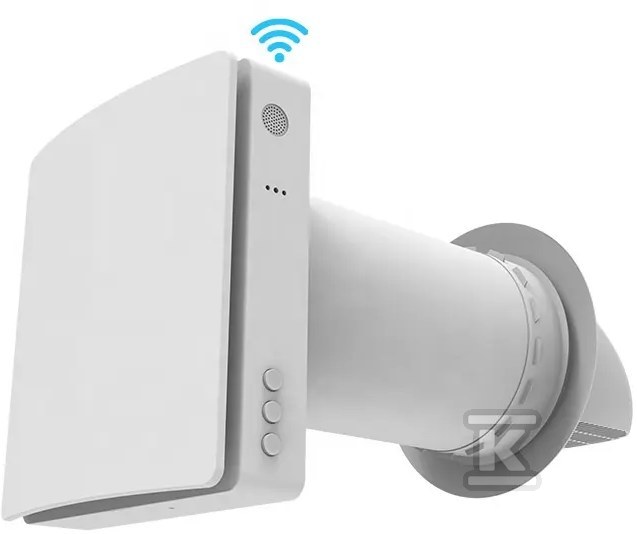
Factors affecting humidity levels in the home
When designing a ventilation system, we take into account all sources of moisture in the building:
- Presence of residents (breathing, perspiration)
- Daily activities (cooking, laundry, bathing)
- Potted plants and aquariums
- Technological moisture from building materials
- Weather conditions outside
Practical tips for selecting a recuperation system
Our team of experts recommends that when choosing a recuperation system, you first analyze the specifics of the building and the needs of the residents. In modern, energy-efficient homes, an entalpic recuperator is often a better solution, while in older buildings with excessive moisture problems, a standard counterflow exchanger will work well.
When to choose a recuperator with moisture recovery
From our many years of experience in the installation industry, we know that entalpic recuperators perform particularly well in:
- Passive and energy-efficient homes
- Buildings with very tight envelopes
- Homes for allergy sufferers and small children
- Facilities in climates with dry winters
Frequently asked questions
1. Does the recuperator remove moisture from the house?
Yes, a standard recuperator removes moisture through the condensation of water vapor on the heat exchanger. The condensed water is drained into the sewage, which helps control the humidity level in the rooms. Recuperators with entalpic exchangers can retain some moisture.
2. Can the recuperator dry out the air?
Yes, the recuperator can dry out the air, especially in winter when the outside air is naturally dry. The problem mainly occurs in energy-efficient buildings. Solutions include entalpic recuperators or additional humidifiers.
3. How does an entalpic recuperator with moisture recovery work?
An entalpic recuperator uses a special polymer membrane that allows water vapor molecules to pass between the air streams. As a result, up to 85% of the moisture from the expelled air is transferred to the incoming air, ensuring a comfortable humidity level.
4. What humidity level should be in a house with recuperation?
The optimal relative humidity level in residential rooms is 40-60%. A properly designed recuperation system allows maintaining this level throughout the year, ensuring comfort for residents and protection against mold.
5. Does a wall recuperator also regulate humidity?
Yes, wall recuperators can also regulate humidity, especially models with humidity sensors. The devices automatically adjust their operation to the current humidity level in the room, providing local control of air parameters.
6. When to choose a recuperator with moisture recovery?
A recuperator with moisture recovery is worth choosing in energy-efficient, passive homes, and for allergy sufferers. It is particularly useful in buildings with very tight envelopes, where standard ventilation can dry out the air during the heating season.
7. Can moisture recovery in the recuperator be adjusted?
In entalpic recuperators, moisture recovery is an automatic process, but the intensity of ventilation can be adjusted. Modern systems are equipped with humidity sensors and automatic controls that adjust operation to the current needs of the room.
Investing in a healthy home climate
Choosing the right recuperation system is an investment in the health and comfort of the entire family. At Onninen, we offer comprehensive solutions - from central systems to wall recuperators, which allow precise control of humidity levels in every room.
Our team of experienced specialists will help select the optimal solution, taking into account the specifics of the building, the needs of the residents, and local climatic conditions. With a wide availability of products in all Onninen branches, we can ensure quick implementation of any ventilation project.
Remember that a properly designed and installed recuperation system will not only ensure optimal humidity levels but also significantly reduce heating costs and improve air quality in your home. More information about recuperation can be found in our article on VASCO systems.