The choice of the appropriate lightning wire for a single-family house is a crucial decision that affects the effectiveness of the entire lightning protection system. As a market leader in installation, Onninen offers a comprehensive range of lightning wires made of various materials and diameters, tailored to the requirements of each installation. Our many years of experience in the installation industry show that the correct selection of lightning wire requires consideration of not only technical parameters but also the specifics of the building and installation conditions.
The lightning protection system in a single-family house consists of several key elements, where the lightning wire serves as the conductor that directs the lightning current to the ground. Our team of experts assists in selecting optimal solutions, taking into account both regulatory requirements and practical aspects of installation.
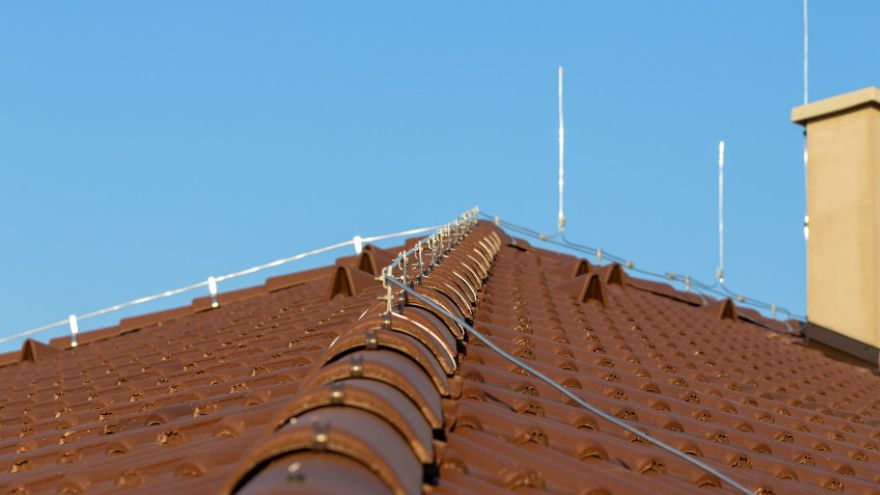
Check lightning wires at Onninen warehouse
Technical requirements for lightning wire in a single-family house
According to current standards, newly built lightning protection systems require the use of wire with a minimum diameter of Ø 8 mm. In our offer, you will find wires that meet all regulatory requirements, available immediately from Onninen's warehouses.
Minimum technical parameters
- Wire diameter: minimum Ø 8 mm for domestic installations
- Cross-section: at least 50 mm² for aluminum wire
- Resistivity: maximum 0.028 μΩm for aluminum
- Mechanical strength: adapted to wind loads
Lightning protection classes LPS
The lightning protection system is divided into four classes (LPS I-IV), each of which specifies specific requirements regarding materials and installation. Our technical advice helps determine the appropriate class for a specific facility and select the right wires from our range.
Materials for lightning wire - comparison of solutions
Aluminum wire - modern solution
At Onninen, we recommend aluminum lightning wire as the optimal solution for most domestic installations. The aluminum wires in our offer are characterized by exceptional lightness - 1 kg of Ø 8 mm wire is 7.4 meters long, which significantly facilitates transport and installation.
| Parameter | Aluminum wire Ø8mm | Steel wire Ø8mm |
|---|---|---|
| Weight per meter | 0.135 kg | 0.395 kg |
| Length in 1 kg | 7.4 m | 2.5 m |
| Corrosion resistance | Very high | Requires galvanization |
| Installation flexibility | Easy manual shaping | Requires tools |
Galvanized steel wire - traditional solution
Hot-dip galvanized steel is a proven solution with a lifespan of 15-20 years. In Onninen's offer, we provide steel wires with a zinc coating of at least 50 micrometers, ensuring effective corrosion protection.
Copper wire - highest quality
Copper wires are a premium solution characterized by the highest electrical conductivity and virtually unlimited lifespan. The copper wires available in our offer are particularly recommended for facilities with high aesthetic requirements.
Practical aspects of selecting lightning wire
Advantages of aluminum wire in installation practice
From the experience of our specialists, it follows that aluminum lightning wire Ø8mm offers an optimal combination of technical parameters and practical installation benefits:
- Three times lighter - facilitates work at heights
- Material flexibility - Ø10mm wire can be bent by hand
- Corrosion resistance - virtually maintenance-free for decades
- Aesthetic appearance - does not require painting
- Compatibility with equipment - connection with steel elements without special spacers
Connections and joints in mixed installations
Connecting aluminum wires with steel equipment does not require the use of insulating spacers. To secure the joints, we recommend using non-acidic technical grease, which protects the connection from moisture and ensures the durability of the electrical contact.
Installation and brackets for lightning wire
Requirements for securing wires
Proper installation of lightning wire requires the use of appropriate brackets at recommended intervals. For horizontal wires, it is recommended to secure them every 0.7-1.0 meters, while for 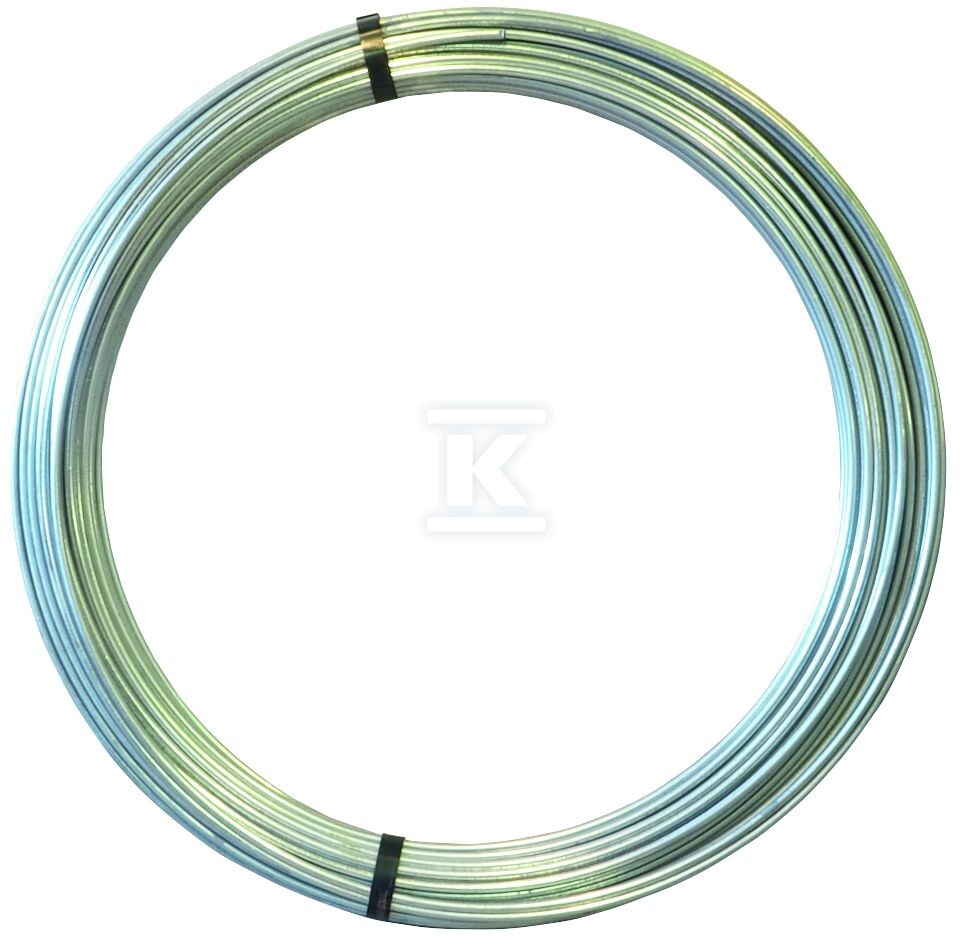 vertical wires every 1.0 meter up to a height of 20 m.
Types of brackets available in Onninen's offer
- Ridge brackets - for ceramic and concrete tiles
- Universal brackets - for roof sheets
- Wall brackets - for guiding wires along the facade
- Plastic brackets - compatible with any type of wire
Straightening lightning wire
Professional installation requires the use of a lightning wire straightener. This device ensures even guiding of wires and an aesthetic appearance of the entire installation. Manual straightening can damage the protective coating, shortening the lifespan of the installation.
Frequently asked questions
1. What diameter of lightning wire is required in a single-family house?
The minimum required diameter is Ø 8 mm according to current standards. Onninen offers wires with diameters of 8 mm and 10 mm, where the larger diameter provides an additional safety margin and may be required in higher LPS class installations.
2. Is aluminum wire better than steel in lightning protection installations?
Aluminum wire offers better performance parameters - it is three times lighter, easier to install, and virtually corrosion-resistant. At Onninen, we recommend aluminum wires as the optimal solution for most domestic installations, combining high quality with practicality of installation.
3. How many meters of wire do I need for the lightning protection installation of a house?
The demand depends on the size and shape of the roof - a typical single-family house requires 50-150 meters of wire. At Onninen, we offer aluminum wire in 20 kg rolls (148 meters of Ø8mm wire), which covers the needs of most domestic installations. Our specialists will help in precisely calculating the required amount of material.
4. Can aluminum wire be connected to steel equipment?
Yes, the connection is possible without special insulating spacers. We only recommend securing the joints with non-acidic technical grease, which you can find in our offer. Such a connection ensures durability and reliability for many years of operation.
5. How often should the condition of the lightning wire be checked?
Inspection should be carried out at least twice a year - in spring and autumn before the storm season. Connections, brackets, and the condition of the wire surface should be checked. The aluminum wires in our offer require minimal maintenance due to their natural corrosion resistance.
6. Can lightning wire be run under thermal insulation?
The wire can be run under insulation only in a special lightning protection tube that protects against thermal effects. Onninen offers dedicated lightning protection installation tubes that allow safe guiding of wires within the insulation layer.
7. What is the lifespan of aluminum lightning wire?
Aluminum wires have a lifespan significantly exceeding 25 years due to their natural corrosion resistance. In comparison, galvanized steel wires require replacement every 15-20 years. Investing in aluminum from Onninen's offer is a long-term, virtually maintenance-free solution.
8. Does lightning wire require additional surface protection?
Aluminum wire does not require additional surface protection - it creates a natural oxide layer that protects against corrosion. Steel wires must be hot-dip galvanized with a zinc layer of at least 50 micrometers. At Onninen, we offer only wires with certified protective coatings.
Professional selection of lightning wire in practice
The selection of the optimal lightning wire for a single-family house should consider not only regulatory requirements but also practical aspects of installation and operation. At Onninen, we offer comprehensive technical advice, helping to select the optimal solution for each facility.
Our experience in the installation industry shows that investing in high-quality lightning wires pays off through years of trouble-free operation and minimal maintenance. A wide range of products available at all Onninen branches ensures quick implementation of every project - from basic domestic installations to advanced industrial systems.
Let us remember that properly selected materials are the foundation of effective lightning protection. Our team of specialists is at your disposal, offering professional technical support at every stage of the lightning protection installation project.