Modern electrical installations require appropriate protection measures that will ensure the safety of users and the equipment itself. One of the main protective elements is differential circuit breakers. A particularly noteworthy solution is the type B differential circuit breaker, characterized by a wide range of operation and high efficiency. Check what are the applications and advantages of a differential circuit breaker?
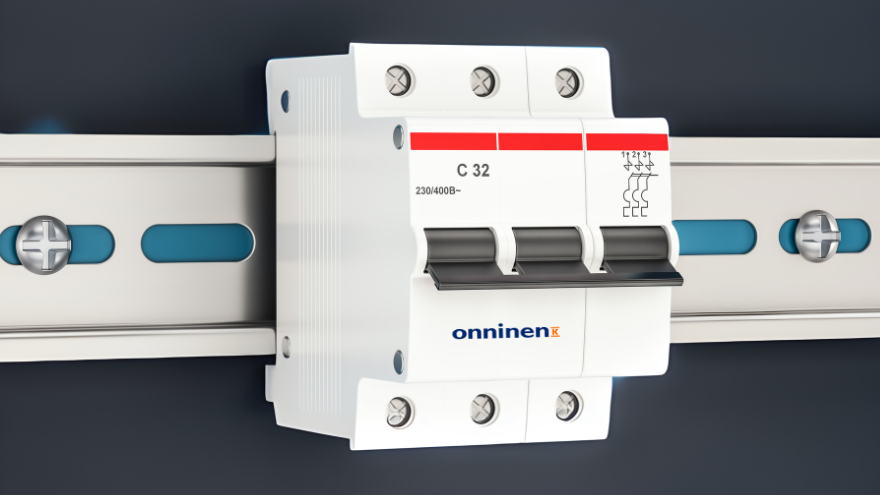
Check the differential circuit breakers
What is a type B differential used for?
Type B residual current circuit breakers are the basic elements of protection against electric shock.
The main function of a type B differential circuit breaker is to protect against:
- Electric shock;
- Fires caused by short circuit or overheating of the installation;
- Damage to equipment sensitive to abnormal power conditions.
The use of a differential switch is mandatory in places where safety requirements are exceptionally high, e.g. in hospitals, industrial plants or facilities with electric car charging stations.
What is the difference between a type A and a type B differential?
The basic difference between a Type B and Type A RCD is the range of interference they detect. Series B RCDs are more sensitive, which means they provide a higher level of safety in modern electrical installations.
The B type differential operates in accordance with the IEC 60755 standard specifying the technical data and scope of application of the device. It is used where components using a DC voltage supply may appear. In contrast to type A, which detects
including AC and pulsating differential current, type B also monitors interference with frequencies higher than 50 Hz.
Differences between type A and type B residual current circuit breakers:
1. Application
- Type A : Used in standard home and industrial installations where there are no advanced DC generating devices;
- Type B : Used in installations with modern devices such as inverters, electric vehicle charging stations or photovoltaic systems.
2. Safety
- Type A : Provides basic protection against electric shock and short circuits;
- Type B : Provides advanced protection by also detecting DC currents, which is crucial in the event of failure of inverters or other DC generating devices.
3. Standards and requirements
- Type A : Meets the requirements
 the standard PN-EN 61008-1;
 - Type B : Meets the more stringent requirements of the PN-EN 62423 standard.
4 . Tenderness
- Type A : Effective for standard leakage currents;
- Type B : Effective against complex leakage currents, including those generated by charging stations or photovoltaic systems.
5. Cost
- Type A : Cheaper to purchase and install, suitable for less demanding installations;
- Type B : More expensive, but essential for installations with high safety requirements.
6. Versatility
- Type A : Limited scope of application, mainly for installations without advanced equipment;
- Type B : Universal, suitable for all types of installations, including those with inverters and charging stations.
Type A products are suitable for traditional home installations, while type B is necessary in places where electric vehicle charging stations, inverters in photovoltaic systems and other advanced devices generating differential direct current operate.
Will a type B differential operate without grounding?
Correct installation of a Type B RCD requires meeting specific technical requirements, including the use of an appropriate grounding system. Although in theory a RCD can function without grounding, its effectiveness in such a system is significantly reduced.
Lack of grounding can lead to improper operation of the user and equipment protection system. In installations without proper grounding, there may be false tripping of the differential switch or its incorrect reaction to the differential current. This can result in electric shock and damage to connected devices.
For these reasons, it is recommended to install a type B residual current circuit breaker in accordance with applicable standards and with proper grounding. Attention should be paid to the manufacturer's specifications, which precisely define the exact requirements for the grounding system for this type of circuit breaker.
RCDs from renowned manufacturers meet all technical requirements. Are you looking for reliable and advanced RCDs type B? Visit Onninen and choose the best RCDs for your project.
Check the differential circuit breakers