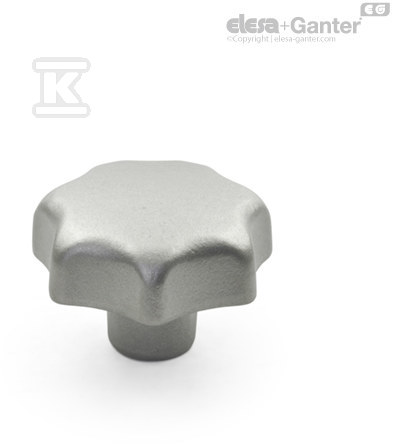
Clamping knob DIN 6336-NI-40-M8-D Z047788

Catalog numbers:
- DIN 6336-NI-40-M8-D
Suggested products
TECHNICAL DATA
Sales unit dimensions and weight: 1 pcs
Clamping knob DIN 6336-NI-40-M8-D Z047788
Clamping knobs – precision and reliability in your hands
This clamping knob, made of stainless steel, is an element used for precise and secure fastening of machine and device components. It meets the DIN 6336 standard, which guarantees its quality and compatibility with other components. Its construction with a threaded sleeve provides a stable connection and easy adjustment.
Design and application
This knob finds wide application in mechanical engineering, precision equipment, tooling, and anywhere where manual fastening of elements is required. The stainless steel it is made of ensures corrosion resistance and long-term operation even in harsh environmental conditions. Metric thread M8 allows mounting in standard threaded holes. Thread length of 12 mm ensures adequate clamping force. The knob diameter (40 mm) provides a comfortable grip and ease of operation.
- Versatility: ideal for applications in various industries.
- Durability: stainless steel guarantees corrosion resistance and long life.
- Precision: DIN 6336 standard ensures high quality and dimensional accuracy.
- Easy installation: standard metric thread M8 simplifies installation.
- Ease of use: 40 mm diameter provides a secure grip during adjustment.
Material and properties
The use of stainless steel in the production of this knob guarantees not only durability but also an aesthetic appearance. This material is resistant to moisture, chemicals and temperature changes, making it an ideal choice for industrial applications. In addition, stainless steel does not cause galvanic corrosion in contact with other metals, which increases safety. The threaded sleeve strengthens the connection and prevents thread damage during frequent tightening and loosening. This solution will be particularly appreciated by installers working with demanding machines and equipment – fewer problems with damage mean less downtime and higher work efficiency.