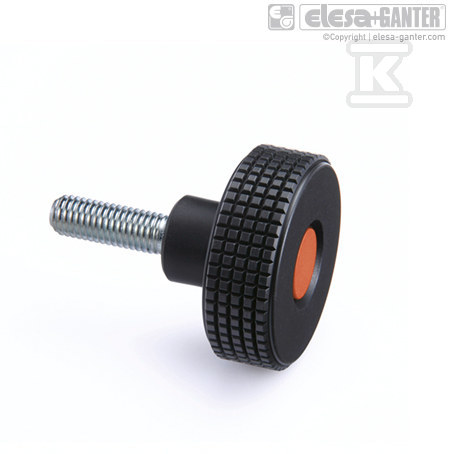
Knurled knob MBT.60 P-M12x30-C2 Z049553

Suggested products
TECHNICAL DATA
Sales unit dimensions and weight: 1 pcs
Knurled knob MBT.60 P-M12x30-C2 Z049553
Knurled knob – precision and ergonomics in one
The MBT.60 knurled knob is a plastic component designed for comfortable use and precise control. It features a knurled surface that provides a secure grip even in wet or dirty conditions. It is an ideal solution for industrial applications, machines and devices where reliability and comfort are required.
Construction and application
The MBT.60 knob has a metric M12 thread with a length of 30 mm, allowing for solid mounting in the hole. Made of high-impact polypropylene (PP) based technopolymer, it guarantees durability and resistance to mechanical damage. The knob diameter is 61 mm, providing a comfortable grip and easy rotation. Available in black, giving it a universal look that fits most applications.
Knobs from the MBT series are particularly valued for their ergonomics – the knurled surface makes operation easier even with intensive use, minimizing hand fatigue. They are widely used in:
- Industrial machines and equipment
- Control panels
- Laboratory equipment
- Medical devices
- Adjustment mechanisms
Advantages of the MBT.60 knob
- Ergonomic design: The knurled surface provides a secure grip and comfortable operation.
- Durability: Made of high-impact polypropylene (PP) resistant to mechanical damage.
- Versatility: Black color and standard M12 thread make the knob suitable for many applications.
- Precision: Provides accurate control of the device or machine thanks to stable mounting and comfortable grip.
- Resistance: The material is resistant to many chemicals, which increases its lifespan in harsh working conditions.
- Easy installation: Metric M12 x 30 mm thread allows for quick and easy installation without the need for specialized tools.
It is worth remembering that knobs with knurling allow for transferring the maximum torque with minimal hand effort, which translates into work efficiency and reduces the risk of repetitive strain injuries.