DIN 508-14-M10-8 hexagonal nut Z053587
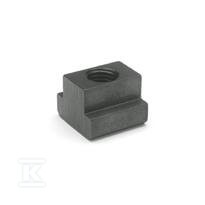

Catalog numbers:
- DIN 508-14-M10-8
Suggested products
TECHNICAL DATA
Sales unit dimensions and weight: 1 pcs
DIN 508-14-M10-8 hexagonal nut Z053587
DIN 508 castellated nut – reliable fastening in various applications
The DIN 508-14-M10-8 castellated nut is a fastening element widely used in industry, construction, and many other fields. It is characterized by high strength and precision, guaranteeing safe and durable connections. Its design, with a slot for a key, facilitates assembly and disassembly even in hard-to-reach places.
Design and materials
The nut is made of heat-treated steel, which ensures its high resistance to mechanical loads. Strength class 8 confirms its solidity and reliability. Versions made of stainless steel (AISI 304 and AISI 316Ti) are also available, which are perfect for corrosive environments. It is worth noting that DIN 508 class 8 nuts can be supplied in a solid version, without a castellated slot – when ordering, omit the thread size in the product designation.
Applications and benefits
DIN 508 castellated nuts are ideal for applications requiring frequent assembly and disassembly, such as in machine and equipment structures where access to connections is limited. The castellated slot allows for easy tightening and loosening with a castellated wrench or torque screwdriver, which translates into precision and control of the torque. This ensures that the connection is not only strong but also protected against accidental loosening.
- Versatility: The choice between carbon steel or stainless steel allows you to adapt the nut to specific working conditions.
- Easy assembly: The castellated slot facilitates tightening and loosening even in tight spaces.
- Strength: Strength class 8 guarantees a reliable connection even under high loads.
- Corrosion resistance: Stainless steel versions provide long-term protection against the effects of atmospheric factors and aggressive chemicals.
- Precision: The ability to control torque during assembly ensures optimal clamping force of the connection.