Vibration isolator DVA.1-8-8-M3-6-70 Z050488
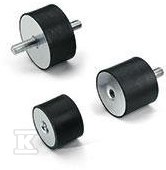

Catalog numbers:
- DVA.1-8-8-M3-6-70
Suggested products
TECHNICAL DATA
Sales unit dimensions and weight: 1 pcs
Vibration isolator DVA.1-8-8-M3-6-70 Z050488
Vibration Isolators – Reduction of Vibrations and Noise
Vibration isolators from the DVA.1 series are elements designed to dampen vibrations and reduce noise in machines and equipment. They effectively absorb vibrations, protecting both the equipment itself and the surroundings from the negative effects of their operation. They are particularly useful in situations where it is necessary to isolate the device from the ground or minimize the transmission of vibrations to the building structure. They are used to mount components such as motors, fans, and pumps.
Construction and Materials
The DVA.1 vibration isolator consists of a threaded pin and a damping body made of natural rubber (NR). The pin is standardly made of galvanized carbon steel, but versions made of stainless steel AISI 304 (marked as DVA.1-SST) are also available, providing greater corrosion resistance. Natural rubber is characterized by high internal damping and good elasticity, which translates into effective insulation. The rubber hardness is 40, 55 or 70 on the Shore A scale (with a tolerance of ±5).
Application and Benefits
DVA.1 vibration isolators find wide application in various industries, including:
- Mechanical Engineering: Reducing vibrations in industrial machines increases their lifespan and improves operator comfort.
- Construction: Isolation of vibrations generated by technical equipment (e.g., heat pumps, fans) minimizes noise transmission to residential premises.
- Automotive Industry: Damping vibrations of engines and other vehicle components improves ride comfort and reduces noise levels in the cabin.
- Electronics: Protecting delicate electronic components from damage caused by vibrations.
Installation is simple thanks to the M3 threaded pin, which allows for quick and secure connection to the device structure or foundation. Using these isolators translates to:
- Reduced noise levels
- Extended lifespan of machines and equipment
- Improved work comfort
- Increased safety of use
- Protection against damage caused by vibrations
Additionally, the availability of different rubber hardnesses allows for matching the damping properties to specific application requirements – the softer the rubber, the better the damping of low-frequency vibrations, and the harder the rubber, the better the resistance to static loads and higher frequencies.