Vibration isolator DVA.3-100-60-M16-70 Z050146
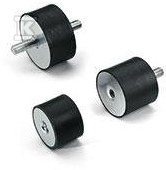

Catalog numbers:
- DVA.3-100-60-M16-70
Suggested products
TECHNICAL DATA
Sales unit dimensions and weight: 1 pcs
Vibration isolator DVA.3-100-60-M16-70 Z050146
Vibration Isolators – Reduction of vibrations and noise in machines and equipment
Vibration isolator DVA.3-100-60-M16-70 is an element designed to dampen vibrations and reduce noise generated by machines and equipment. Its task is to isolate the vibrating mass from the surroundings, which translates to improved work comfort, increased safety, and extended equipment life. Mounting vibration isolators is a key element in minimizing the negative effects of vibrations, both in terms of protecting the operator and the device itself.
Design and application
This particular model is characterized by a cylindrical design, made of galvanized steel with steel inserts. It has internal M16 threads on both sides, which facilitates mounting and integration with various structural elements. The diameter of the vibration isolator is 100 mm, and the height is 60 mm. The rubber hardness on the Shore scale is 70, which provides good flexibility and effective vibration damping.
Vibration isolators from the DVA series are widely used for mounting components of devices such as engines, fans, or pumps. They will work wherever it is necessary to limit the transmission of vibrations to the supporting structure or the environment. Thanks to their design, they allow for precise adaptation to specific application requirements.
Advantages and benefits
- Effective vibration damping: Reduction of transmitted vibrations translates to quieter operation of machines and equipment and reduces the risk of damage caused by resonance.
- Durable construction: Made of galvanized steel ensures corrosion resistance and long-term reliability even in harsh operating conditions.
- Easy installation: Internal M16 threads allow for quick and easy installation without the need for additional mounting elements.
- Versatile application: Suitable for various types of machines and equipment where there is a problem with vibrations.
- Improved work comfort: Reducing noise and vibration levels translates to better working conditions for the device operator.
- Extended service life: Vibration damping reduces mechanical loads on structural elements, which contributes to their longer use.
- Availability of different rubber hardnesses: Allows you to adapt the damping properties to specific application needs (standardly available hardnesses are 40, 55 or 70±5 according to Shore'a A).