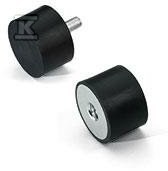
Vibration isolator DVA.4-60-40-M10-28-70 Z050026

Catalog numbers:
- DVA.4-60-40-M10-28-70
Suggested products
TECHNICAL DATA
Sales unit dimensions and weight: 1 pcs
Vibration isolator DVA.4-60-40-M10-28-70 Z050026
Vibration Isolators – Reduction of vibrations and noise in machines and equipment
Vibration isolator DVA.4-60-40-M10-28-70 is an element designed to dampen vibrations and reduce noise generated by machines and equipment. Its use translates to improved work comfort, increased safety, and extended equipment life. This is particularly important in applications where vibrations can negatively affect the accuracy of operation or cause damage to structural elements.
This specific model, characterized by a cylindrical design, is made of galvanized steel, which ensures corrosion resistance and durability in various environmental conditions. The external thread M10 facilitates mounting and integration with existing structures. This vibration isolator finds application in many industries, from agricultural machinery to precision equipment.
Construction and properties
Vibration isolator DVA.4-60-40-M10-28-70 was designed with effective vibration damping in mind. Its construction is based on a flexible rubber material with a hardness of 70 Shore A, which absorbs the kinetic energy generated during machine operation. A diameter of 60 mm and a height of 40 mm ensure stability and adequate load capacity.
- Vibration damping: Reduction of transmitted vibrations minimizes noise and improves work comfort.
- Machine protection: Vibration damping reduces mechanical loads on structural elements, extending their service life.
- Easy installation: M10 thread allows for quick and secure connection with other elements.
- Durability: Galvanized steel provides corrosion resistance and long-term operation.
- Versatility: Suitable for use in various types of machines and equipment where vibration reduction is required.
Applications and selection
Vibration isolators of this type are commonly used to mount components of devices such as motors, fans or pumps. They can also be used as shock absorbers or as pads under machines with lower weight. The selection of the appropriate vibration isolator should take into account the vibration frequency, load and the required degree of damping – let's remember that the hardness of the rubber is crucial for the effectiveness of isolation. Choosing the right rubber hardness (in this case 70 Shore A) allows you to adapt the damping properties to the specifics of a given application.