Vibration isolator DVA.5-15-15-M4-55 Z031000

Catalog numbers:
- DVA.5-15-15-M4-55
Suggested products
TECHNICAL DATA
Sales unit dimensions and weight: 1 pcs
Vibration isolator DVA.5-15-15-M4-55 Z031000
Vibration Isolators – Reduction of vibrations and noise in machines and equipment
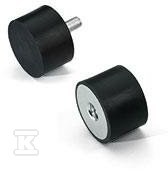
Vibration isolator DVA.5-15-15-M4-55 is an element designed to dampen vibrations and reduce noise generated by machines and equipment. Its use translates to improved work comfort, increased safety and extended equipment life. The construction based on a combination of galvanized steel and natural rubber provides effective isolation from vibrations.
Construction and application
The vibration isolator consists of a galvanized steel insert with a threaded (non-through) hole and a damping body made of natural rubber. Model DVA.5 is characterized by a cylindrical shape, which allows for universal use in various configurations of machines and equipment. It finds application when mounting components such as motors, fans or pumps, as well as an element absorbing shocks and vibrations. The M4 thread enables easy mounting in the device or machine structure.
Characteristics and benefits
- Effective isolation: The combination of steel and natural rubber ensures effective reduction of vibrations and noise, positively affecting the work environment and durability of equipment.
- Durability and resistance: The galvanized steel insert guarantees corrosion resistance and mechanical strength, which translates to a long service life of the vibration isolator.
- Versatility: The cylindrical shape and M4 thread allow mounting in various industrial and machine applications.
- Available rubber hardnesses: The rubber hardness of 55 on the Shore A scale provides optimal damping properties for many applications – it is also possible to order other hardnesses (40, 70 ±5).
- Easy installation: The threaded hole facilitates quick and safe mounting in the device structure.
- Reduced service costs: By minimizing vibrations, the vibration isolator contributes to reducing the wear of machine elements, thereby lowering costs associated with repairs and replacements.
- Improved safety: Damping vibrations improves the working conditions of the machine operator, reducing the risk of fatigue and errors resulting from exposure to vibrations.
It is important to remember to select the correct rubber hardness for the specific application – too soft rubber may not provide sufficient insulation, while too hard rubber may not dampen vibrations effectively.