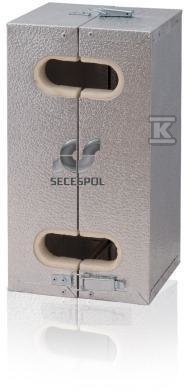
APFI insulation for LA14-10-20 heat exchangers 2102-0042

Suggested products
TECHNICAL DATA
Sales unit dimensions and weight: 1 pcs
APFI insulation for LA14-10-20 heat exchangers 2102-0042
Insulation for heat exchangers – protection and efficiency
APFI insulation for LA14-10-20 heat exchangers is a two-part insulation system, specifically designed for plate-and-frame brazed heat exchangers of the L series. Made of polyurethane foam insulation covered with aluminum, it provides effective thermal protection of the device and its surroundings. This minimizes energy losses and prevents excessive temperature increases in the surrounding environment during operation. Installation is simple and convenient – the insulation elements are connected using galvanized steel locking closures.
Construction and properties of APFI insulation
APFI insulation consists of two precisely matched parts, ensuring complete coverage of the heat exchanger surface. The polyurethane foam is characterized by a low thermal conductivity coefficient (0.026 W/mK), which translates into effective limitation of heat exchange with the environment. The aluminum sheet coating acts as a barrier, protecting the foam from mechanical damage and weathering. The insulation thickness is 30 mm, providing optimal performance under typical operating conditions. The material retains its properties in the temperature range up to +135°C.
Application and benefits for installers and users
APFI insulation is dedicated to LA14-10-20 heat exchangers, but its universal design allows it to be used in other similar applications. Using insulation is not only protection against heat loss, but also protection against freezing at low temperatures and external corrosion. For installers, this means easy and quick installation thanks to the practical locking closures and confidence in the correct operation of the system. End-users benefit from lower operating costs resulting from reduced energy losses and increased safety of device operation. Additionally, flammability class F according to PN-EN ISO 11925 and B3 according to DIN 4102 ensures a high level of fire safety.