The expansion vessel is an important element of any central heating installation. It is responsible for stabilizing the pressure in the system to ensure it does not exceed the proper values, which could lead to damage to other components. The correct operation of the vessel is the basis for the reliable, long-lasting operation of the boiler and the entire heating system. In this article, we explain how to recognize that the diaphragm expansion vessel is broken and how to solve the most common problems.

Check pressure expansion vessels at Onninen warehouse
What is an expansion vessel and how does it work?
As mentioned at the beginning, pressure expansion vessels are elements of the central heating installation that provide resistance to pressure spikes caused by changes in water temperature. The expansion vessel takes the form of a pressure tank with two chambers separated by a membrane: one with the heating medium (usually water) and the other with nitrogen or air.
The amount of heating medium in the installation changes depending on the temperature. Its heating causes an increase in pressure in the system. The excess heating medium is taken up by the diaphragm expansion vessel, stabilizing the pressure in the system. When the installation stops being supplied with a heat source, the volume of the heating medium decreases. At that point, the medium stored in the diaphragm vessel is pushed back into the heating system.
Symptoms of a damaged expansion vessel
The primary symptom of improper operation of the expansion vessel is sudden pressure spikes in the installation. An increase in the temperature of the heating medium causes a drastic increase in pressure, while its cooling leads to a rapid drop. However, these symptoms do not necessarily indicate a failure. They may mean that there is not enough air in the diaphragm vessel to compensate for pressure changes.
On the other hand, a damaged expansion vessel can be recognized by:
- frequent pump activation,
- too low pressure in the installation,
- lack of water in the installation despite the pump being on,
- water leaking from the air filling valve (it should be noted that water condensation is a natural phenomenon).
- Diagnosis of the expansion vessel's condition
The diagnosis of the expansion vessel begins with turning off the pump, cutting off the water supply, and emptying the tank by opening the drain valve. Next, using a manometer or pressure gauge, the air pressure in the vessel should be checked. The next step is a leak test. For this purpose, a pump is connected to the valve. If water seeps from the valve, it indicates a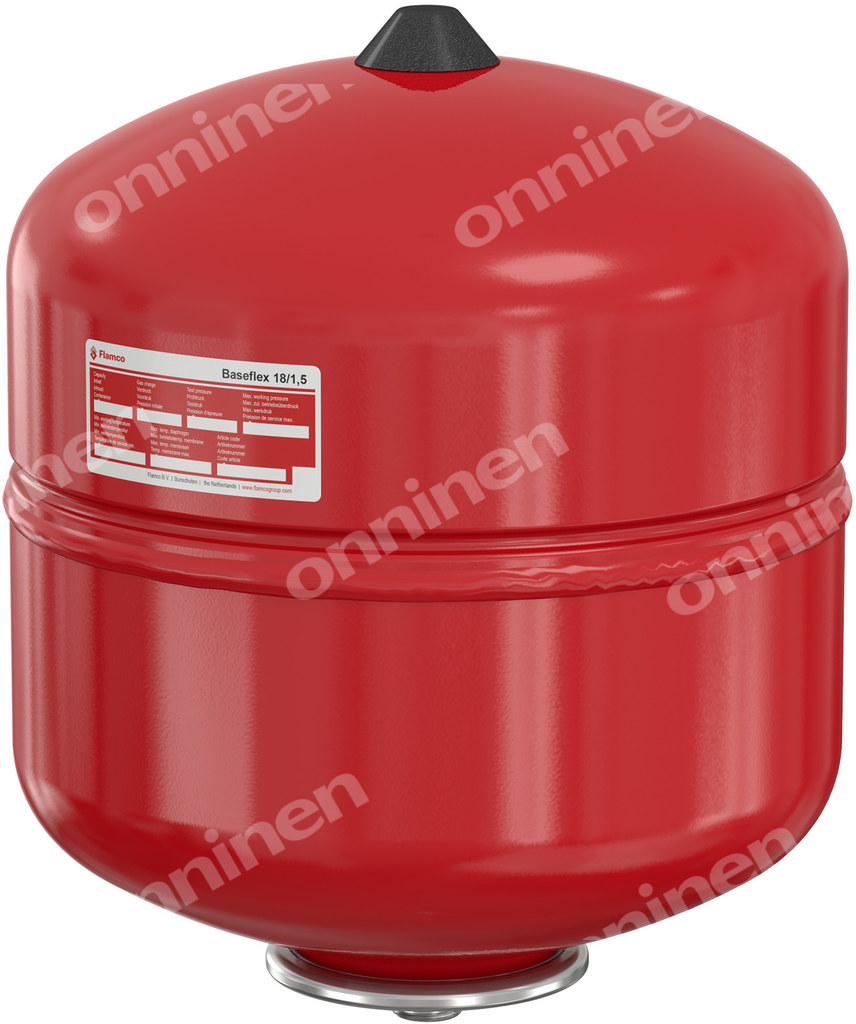 damaged rubber membrane. It is the most commonly failing element of the expansion vessel. Its lifespan depends on many factors and averages 5-10 years. A symptom of a leak is also air escaping from the valve, which can be easily checked by applying soapy water to it (in practice, professionals often use... saliva). Air bubbles appear on the surface of the leaking valve. During the replacement of this element, a stream of water may spray out. This is a symptom of damage to the membrane of the pressure vessel.
In diagnosing the condition of the membrane, the air side test is helpful. It involves pumping air into the vessel and listening to the sounds made by the heating medium. In the case of a punctured membrane, a characteristic bubbling sound is heard as air enters the circuit.
Possible solutions to problems with the expansion vessel
Damage to the expansion vessel can lead to serious problems in the functioning of the heating installation, and consequently – to costly and complicated repairs. Therefore, it is necessary to regularly check its condition and promptly respond to any irregularities. Here are some possible solutions.
Replacing the membrane – a damaged or worn membrane can usually be replaced easily by oneself. The new membrane must fit the model of the expansion vessel you have, and after installation, a leak test should be conducted.
Replacing the entire vessel - when the membrane cannot be replaced or the expansion vessel is old or corroded, its replacement is often necessary.
Replacing the Schrader valve – if air is escaping from the valve located at the top of the vessel, replacing it may help.
Note! Lack of air or its reduced pressure in the expansion vessel is usually a natural phenomenon and not a symptom of damage to the element. The problem can be solved by pumping air into it.
Are you a professional in the heating industry? Do you service heating? Check expansion vessels and pressure reducers available at the Onninen plumbing warehouse. Our advisors will be happy to help you choose the right components.
FAQ
1. What functions does the expansion vessel perform in the installation?
The pressure expansion vessel protects the heating installation from damage and supports its proper operation. Its primary function is to regulate the pressure in the system.
2. What happens if the expansion vessel is damaged?
Damage to the expansion vessel can cause a range of problems, such as sudden pressure spikes, frequent pump activation, lack of water in the circuit, or failures of other components, which involves the risk of costly and troublesome repairs.
3. How to check if the expansion vessel is functioning properly?
Usually, the air pressure in the vessel is checked using a manometer or pressure gauge, and a leak test is conducted.
4. What to do if the membrane in the expansion vessel is damaged?
It should be replaced.
5. How often should the condition of the expansion vessel be checked?
It is recommended to check the condition of the expansion vessel every 1-2 years and always when there is suspicion of damage or improper operation.