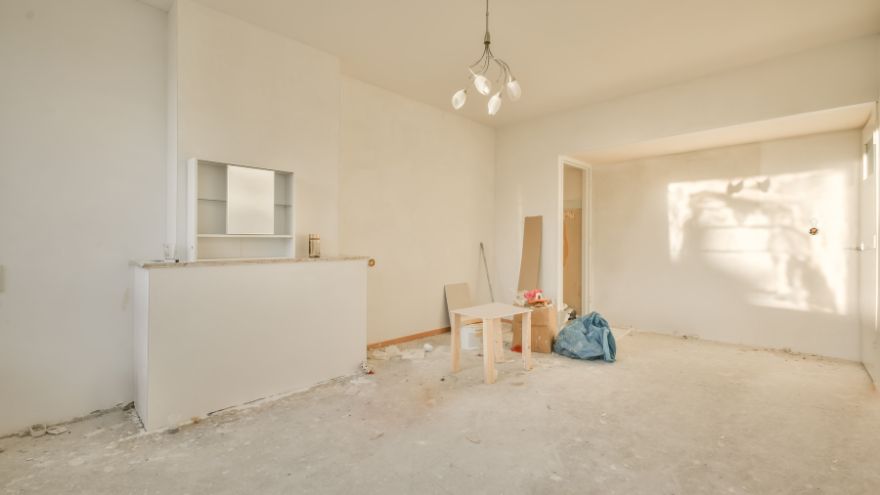
The dry floor heating system based on EPS boards covered with aluminum is a quick solution, ideal for renovated houses. Read how to introduce water floor heating to renovated buildings and increase their energy efficiency.
Check out the TiA brand zone at the Onninen wholesaler
Introduction to dry floor heating
 Underfloor heating systems are becoming increasingly popular due to their energy efficiency and the comfort they offer to residents. Especially in renovated houses, where traditional systems can be difficult and expensive to install, dry underfloor heating based on EPS boards covered with aluminum is an excellent alternative. This article will present the benefits of this solution and discuss the technical details from the installer's point of view.
Advantages of dry floor heating
The dry floor heating system based on EPS boards covered with aluminum offers many advantages that make it an ideal choice for renovations. First of all, the dry system does not require wet installation processes, which significantly reduces installation time. Additionally, EPS boards (expanded polystyrene) are lightweight and easy to process, which makes them easy to adapt to various spaces and room layouts.
The aluminum covering of the plates ensures effective heat distribution, which increases the efficiency of the system. Thanks to this, the heat is evenly distributed over the entire floor surface, which in turn translates into comfort of use and energy savings.
Easy assembly and flexibility
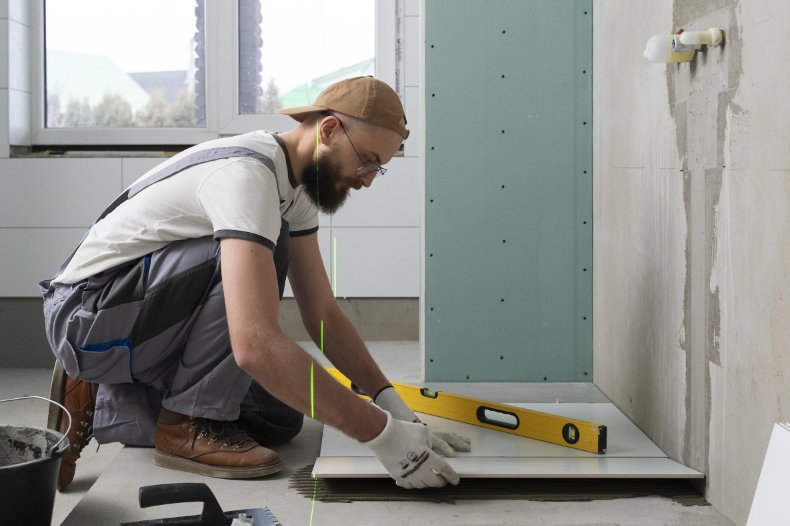
 One of the greatest advantages of dry floor heating is its ease of installation. EPS boards can be installed quickly and efficiently without the need to pour
concrete or other wet works, which is particularly important in renovated houses, where the existing conditions often make it impossible to carry out such works. EPS boards can be cut (tool), which significantly facilitates assembly work, thanks to which the person performing the installation will quickly adjust the board layout to the shape of the room.
Energy efficiency and ecology
Water floor heating is a low-temperature heating, thanks to which homes become more ecological. By promoting this system among customers, installation companies can contribute to environmental protection, while offering a modern and effective heating solution.
Safety and durability
 Another important aspect of dry floor heating is its safety and durability. The EPS boards themselves are made of high-density polystyrene, which means that its compressive strength, and consequently its load resistance, makes it a stable element on which the selected target floor can be laid. Other elements that guarantee the durability of the solution are the adhesives and/or primers used in subsequent layers, which make the entire system a monolithic structure.
Underfloor heating with immediate start-up
Some renovation investments are not prepared for the installation of traditional underfloor heating, and in some cases, there is a need to carry out the work in a very short time. Therefore, a dry underfloor heating system is the ideal answer to such conditions, where the installation must be started immediately after installation without the time that is usually needed for drying and subsequent heating of the screed.
TIA – manufacturer of heating systems
For over 25 years, TIA has been producing surface heating systems that are adapted to almost all applications and meet the needs of even the most demanding investments. Thanks to its modern production plant, TIA is constantly improving the quality and functionality of its products. Thanks to the versatile use of heating solutions, TIA cooperates on a wide scale with manufacturers of modular and wooden houses and exports its products to over 50 countries around the world.