Internal telecommunications cables and ext.
(252 )
Shipping tomorrow

Delivery from
9,84 zł
Shipping tomorrow
Delivery from
9,84 zł
Shipping tomorrow
Delivery from
9,84 zł
Shipping tomorrow
Delivery from
24,48 zł
Shipping tomorrow
Delivery from
9,84 zł
Shipping tomorrow
Delivery from
9,84 zł
Shipping tomorrow
Delivery from
9,84 zł
Shipping tomorrow
Delivery from
9,84 zł
Shipping tomorrow
Delivery from
9,84 zł

Shipping tomorrow
Delivery from
9,84 zł
Shipping tomorrow
Delivery from
9,84 zł

Shipping tomorrow
Delivery from
9,84 zł
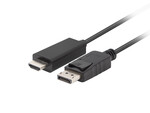
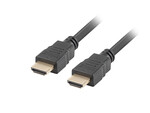
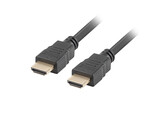
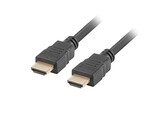
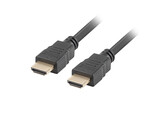
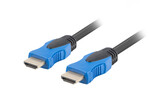
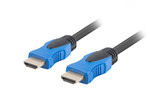
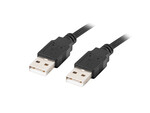
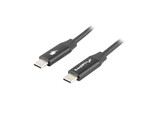
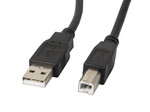
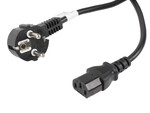
Internal and external telecommunications cables - an essential element of infrastructure
Telecommunications cables are the basis for efficient communication in every building and outside of it. Our offer includes a wide selection of cables for various applications. We provide solutions for companies and institutions of all sizes. Our range includes cables for internal and external installations. We care about the highest quality and reliability of the products offered.
In our daily practice, we observe a growing demand for advanced telecommunications systems. Companies are looking for reliable solutions for transmitting data and signals. That is why we focus on proven brands and innovative technologies. In our offer, you will find products from renowned manufacturers.
- Qoltec
- Technisat
- A-Lan
- Lapp
Each of these companies specializes in a specific type of telecommunications cable. This allows us to offer optimal solutions for different needs.
Types of Telecom Cables - Internal and External
Our assortment includes various types of telecommunications cables. We offer both cables for indoor installations and durable outdoor variants. The most popular products include:
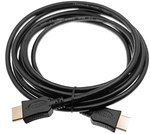
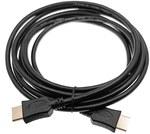
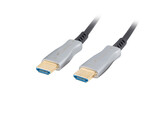
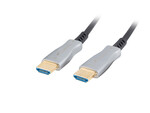
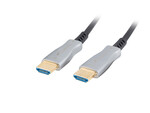
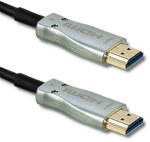
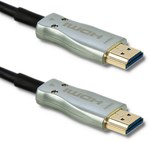
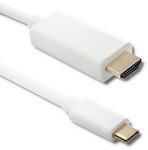
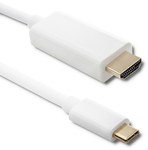
- HDMI cables (lengths from 1.5m to 10m)
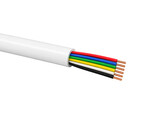
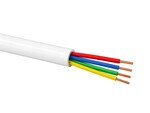
- Telecommunication cables (BiT BUS, E-BUS, UNITRONIC)
- Communication cables (BUS EIB/KNX, Modbus, PROFIBUS systems)
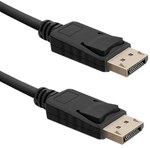
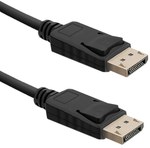
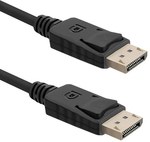
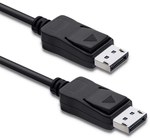
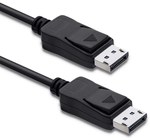
- DisplayPort Cables (1m - 3m, various types)
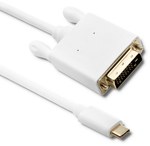
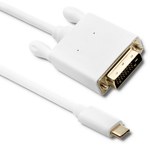
- DVI cables (1m - 2m)
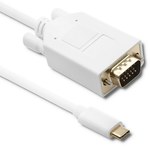
- VGA cables (1m - 2m)
- HDMI cables with Ethernet (1.5m - 3m)
- CE cables (HD-10, HD-20, HD-30)
- COAXC CE UHD Cables (10m, 20m)
- CoaxSat cables (100m)
- HDMI A Male Cables (1.5m - 3m, 10m)
Each of these cable types has its specific applications. The selection of the right type depends on the specific needs and installation conditions. Our experienced advisors will be happy to help you choose the optimal solution.
Criteria for selecting indoor and outdoor telecommunications cables
Selecting the right telecommunications cable is a key decision for the efficiency of the entire system. There are many factors to consider when choosing. The most important are:
Type of transmitted signals. Different cables are used for data transmission and different cables for image transmission. Throughput. Determines the amount of data that can be transmitted per unit of time. Resistance to interference. Particularly important in industrial environments. Environmental conditions. Outdoor cables must be resistant to changing weather conditions. Length of installation. Affects signal attenuation and selection of the appropriate cross-section of wires. Compatibility with existing infrastructure. New cables must work with existing equipment.
In our daily practice, we often come across questions about cable selection. Many customers wonder which type will be best for their installation. Our experience shows that universal solutions rarely work. Each project requires an individual approach.
We recently completed a project for a large logistics center. The client needed a reliable internal and external communication system. We used a combination of UNITRONIC cables for the internal data network. For the external, we used durable CoaxSat cables. This solution provided stable communication throughout the entire complex.
Indoor and outdoor telecommunications cables must meet different requirements. Those for indoor applications focus on high bandwidth. They must also be easy to install in tight spaces. Outdoor cables focus on durability and resistance to weather conditions. They often have additional protection against moisture or UV radiation.
In the case of office reorganization, we most often use flexible category 6 or 6A cables. They provide high throughput necessary for modern networks. At the same time, they are relatively thin and easy to run. This is important when adapting existing cable routes.
For industrial installations, we recommend cables from the UNITRONIC or PROFIBUS series. They are characterized by increased resistance to electromagnetic interference. This is crucial in environments with a large number of machines and electrical devices. Additionally, their reinforced construction protects against mechanical damage.
We also offer specialized cables for audiovisual applications. HDMI, DisplayPort or DVI cables provide high-resolution image transmission. They are essential in conference rooms, monitoring centers or production studios. We offer them in various lengths to suit specific needs.
Many customers ask us about the differences between copper and fiber optic cables. Each of these solutions has its advantages. Copper cables are cheaper and easier to install. Fiber optics offer much higher throughput over longer distances. The choice depends on the specifics of the project and infrastructure development plans.
Our experience shows that it is worth investing in high-quality cables. Apparent savings on cheaper products often lead to problems. Unstable connections or frequent failures generate additional costs. That is why we recommend solutions from proven brands that guarantee reliability.
Correct installation of telecommunications cables is as important as their selection. Even the best cable will not fulfill its function if it is not installed properly. That is why, in addition to the products themselves, we also offer professional advice. Our experts will be happy to share their knowledge on optimal installation techniques.
At Onninen, we focus on comprehensive solutions. In addition to cables, we supply a full range of assembly accessories. Our offer includes connectors, bushings, clamps and cable trays. This allows you to complete the entire installation using a single, proven source.
We often come across questions about the possibilities of modernizing existing installations. In many cases, a complete replacement of cabling is not necessary. We offer solutions that allow for gradual expansion of the system. This allows you to spread the investment costs over time, maintaining continuity of operation.
Choosing the right telecommunications cables is an investment in the future of your company. A well-designed installation will provide stable communication for years. It will also allow for easy expansion as the company grows. That is why it is worth spending time on a thorough analysis of needs and consulting with experts.
At Onninen, we are ready to support you at every stage of the project. From initial consultations, through product selection, to technical support during installation. We invite you to contact our advisors. They will help you choose the optimal solutions in the field of internal and external telecommunications cables.