Vacuum drainage of flat surfaces
(1 015 )
(1)
(2)
(1)
(1)
(1)
(1)
Buy before 18:00
shipping today

Delivery from
11,07 zł
Buy before 18:00
shipping today
Delivery from
11,07 zł
(2)
Buy before 18:00
shipping today
Delivery from
11,07 zł
(1)
Buy before 18:00
shipping today
Delivery from
11,07 zł
(1)
Buy before 18:00
shipping today
Delivery from
11,07 zł
Buy before 18:00
shipping today
Delivery from
11,07 zł
Buy before 18:00
shipping today
Delivery from
11,07 zł
Buy before 18:00
shipping today
Delivery from
11,07 zł
(1)
Buy before 18:00
shipping today
Delivery from
11,07 zł
(1)
Buy before 18:00
shipping today
Delivery from
11,07 zł
(1)
Buy before 18:00
shipping today
Delivery from
11,07 zł
Buy before 18:00
shipping today
Delivery from
11,07 zł
Buy before 18:00
shipping today
Delivery from
11,07 zł
Buy before 18:00
shipping today
Delivery from
11,07 zł
Buy before 18:00
shipping today
Delivery from
11,07 zł
Buy before 18:00
shipping today
Delivery from
11,07 zł
Buy before 18:00
shipping today
Delivery from
11,07 zł
Buy before 18:00
shipping today
Delivery from
11,07 zł
Buy before 18:00
shipping today
Delivery from
11,07 zł
Buy before 18:00
shipping today
Delivery from
11,07 zł
Buy before 18:00
shipping today
Delivery from
11,07 zł
Buy before 18:00
shipping today
Free delivery
Buy before 18:00
shipping today
Delivery from
11,07 zł
Buy before 18:00
shipping today
Delivery from
11,07 zł
Buy before 18:00
shipping today
Delivery from
11,07 zł
Buy before 18:00
shipping today
Delivery from
11,07 zł
Buy before 18:00
shipping today
Delivery from
11,07 zł
(1)
Buy before 18:00
shipping today
Delivery from
11,07 zł
Buy before 18:00
shipping today
Delivery from
11,07 zł
Buy before 18:00
shipping today
Delivery from
11,07 zł
Buy before 18:00
shipping today
Delivery from
11,07 zł
Buy before 18:00
shipping today
Delivery from
11,07 zł
Buy before 18:00
shipping today
Delivery from
11,07 zł
Buy before 18:00
shipping today
Delivery from
11,07 zł
Buy before 18:00
shipping today
Delivery from
11,07 zł
Buy before 18:00
shipping today
Delivery from
11,07 zł
Buy before 18:00
shipping today
Delivery from
11,07 zł
Buy before 18:00
shipping today
Delivery from
11,07 zł
Buy before 18:00
shipping today
Delivery from
11,07 zł
Vacuum drainage of flat surfaces - comprehensive solutions
Vacuum drainage systems for flat surfaces are advanced technical solutions . They are mainly used on large flat roofs. They operate on the principle of vacuum generated in downpipes. Thanks to this, water is quickly and effectively drained from the roof. At Onninen, we offer a full range of products for these systems. They include elements from renowned brands such as Geberit, Wavin, Kessel and HL.
The basis of the vacuum system are special roof drains. They are installed at the lowest points of the roof surface. These drains are connected to vertical downpipes. The right choice of pipe and fitting diameters is crucial . Our offer includes PEHD pipes with diameters from 40 to 250 mm. They provide optimal water flow at different rainfall intensities.
Components of a vacuum drainage system for flat surfaces
The vacuum system consists of many elements. These include:
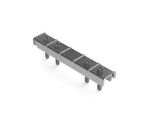
- Vacuum roof drains
- HDPE downpipes
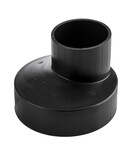
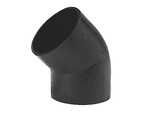
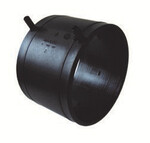
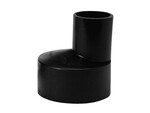
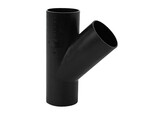
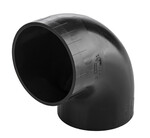
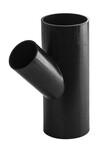
- Fittings: elbows, tees, reductions
- Clamps and mounting brackets
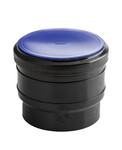
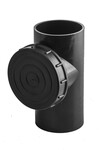
- Inspection cleaners
All these components must be precisely selected and connected . Only then will the system work effectively. At Onninen we advise on the selection of the optimal configuration. We take into account the roof area, local precipitation conditions and the investor's requirements.
We often come across questions about the durability of vacuum systems. Our experience shows that they are very durable. PEHD pipes and fittings are resistant to mechanical damage. They do not corrode and are insensitive to temperature changes. With proper installation and maintenance, the system can serve for several decades.
Advantages of vacuum drainage of flat surfaces
The vacuum system has many advantages over traditional gravity drainage. First of all, it is more efficient. It allows for quick drainage of large amounts of water from large surfaces . This is especially important in the case of heavy rainfall. The vacuum system then prevents water from accumulating on the roof.
Another advantage is the smaller number of downpipes. In a traditional system, more are needed. The vacuum system requires fewer pipes and takes up less space. This is important when designing buildings with a large usable area. Fewer downpipes also means lower material and labor costs.
It is also worth mentioning the aesthetics. The vacuum system pipes can be routed inside the building. They do not spoil the appearance of the facade. This is especially important in the case of modern buildings with interesting architecture.
Designing vacuum drainage of flat surfaces
Proper design of a vacuum system requires specialist knowledge . Precise calculation of flows and selection of pipe diameters are key. At Onninen we offer support at the design stage. Our experts help in selecting optimal solutions.
Many factors are taken into account when designing. These include:
- Roof area and shape
- Local precipitation data
- Required system performance
- Building design constraints
- Investor aesthetic preferences
Based on this data, the appropriate components are selected. The correct arrangement of roof outlets is also important. They must ensure even collection of water from the entire roof surface.
Recently, we used an innovative solution for a large logistics center project. We used roof drains with adjustable height. This allowed for perfect adjustment to the roof level. The result is a very efficient drainage system.
In the case of roofs with a complex shape, we use special software . It allows for precise hydraulic calculations. Thanks to this, we can optimize the pipe route and the selection of fittings. The result is a system that operates with maximum efficiency.
Many customers ask us about the possibility of modernizing existing systems. In such cases, we conduct a detailed analysis. We assess whether it is possible to adapt the current installation. If so, we select the appropriate elements for modernization. Sometimes it is necessary to completely replace the system with a vacuum one.
In our daily practice, we see a growing interest in vacuum systems. Especially in the case of large industrial and commercial facilities. Investors appreciate their reliability and efficiency. They are also increasingly used in multi-family housing construction.
Onninen recommends vacuum systems as the optimal solution for large roof surfaces . They provide effective water drainage even in extreme rainfall. This is important in the context of observed climate change and increasingly frequent heavy rains.
Our experience shows that the correct execution of the system is crucial. That is why we offer not only products but also technical support. We organize training for contractors in the field of vacuum system installation. Thanks to this, they have the right knowledge and skills.
In the case of industrial facility reorganization, the most common question is the adaptation of the drainage system. Our vacuum solutions are flexible enough to adapt to new conditions. Often, this requires only minor modifications.
We invite you to contact our specialists to select the optimal vacuum drainage system . We will help you select components and plan the entire installation. We provide comprehensive service - from design to material delivery.